
Body Care Baby: Cara Merawat Kulit Bayi agar Tetap Sehat

knowaboutbullying.com Kulit bayi masih sangat lembut dan sensitif sehingga membutuhkan perawatan yang berbeda dari kulit orang dewasa. Rutinitas body care baby tidak harus menggunakan banyak produk. Hal yang paling penting adalah menjaga kebersihan, kelembapan, dan kenyamanan kulit bayi.

Dengan perawatan yang sederhana dan tepat, orang tua dapat membantu menjaga kulit bayi tetap bersih dan nyaman setiap hari.

Mengapa Kulit Bayi Membutuhkan Perawatan?

Kulit bayi masih berkembang dan dapat lebih mudah mengalami kekeringan atau iritasi. Paparan sabun, keringat, popok, pakaian, serta lingkungan dapat memengaruhi kondisi kulit bayi.

Karena itu, produk perawatan bayi sebaiknya dipilih dengan mempertimbangkan kondisi kulit bayi. Tidak semua produk yang cocok untuk orang dewasa cocok digunakan pada bayi.

Produk Body Care Baby

Produk body care untuk bayi tersedia dalam berbagai bentuk, seperti sabun mandi, sampo, pelembap, minyak bayi, dan produk perawatan lainnya.

Namun, orang tua tidak perlu menggunakan semuanya. Pilih produk yang memang diperlukan dan perhatikan kandungan serta petunjuk penggunaannya. Produk dengan formula yang lembut dan tidak mengandung bahan yang dapat mengiritasi kulit dapat menjadi pertimbangan.

Cara Memandikan Bayi

Saat memandikan bayi, gunakan air dengan suhu yang nyaman dan hindari air yang terlalu panas. Bersihkan tubuh bayi dengan lembut, terutama bagian lipatan kulit.

Waktu mandi juga tidak perlu terlalu lama. Setelah selesai, keringkan tubuh bayi dengan handuk lembut dengan cara menepuk-nepuk kulit secara perlahan, bukan menggosoknya.

Menjaga Kelembapan Kulit

Jika kulit bayi terlihat kering, pelembap khusus bayi dapat digunakan sesuai petunjuk produk. Pelembap sebaiknya diaplikasikan secara lembut setelah mandi ketika kulit masih dalam kondisi sedikit lembap.

Jika muncul kemerahan, ruam, gatal, atau tanda iritasi setelah menggunakan produk tertentu, hentikan penggunaannya dan perhatikan kondisi kulit bayi.

Perhatikan Area Popok

Area yang tertutup popok membutuhkan perhatian khusus karena sering terkena urine dan tinja. Popok sebaiknya diganti secara rutin dan kulit dibersihkan dengan lembut.

Jika bayi mengalami ruam popok yang tidak membaik atau kondisinya semakin
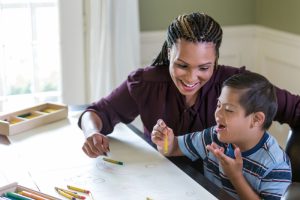
Supporting Children with Special Needs

knowaboutbullying.com – Every child, regardless of their abilities or challenges, deserves the opportunity to reach their full potential. Inclusive education is a cornerstone of this philosophy, providing children with special needs the support and resources they need to learn and grow alongside their peers. However, the journey to ensuring the well-being and success of these children extends beyond the classroom. This article explores the importance of inclusive education and the comprehensive support systems required to empower children with special needs.

Understanding Inclusive Education

Inclusive education is about creating a learning environment that accommodates the diverse needs of all students, including those with special needs. It involves modifying teaching methods, materials, and assessments to ensure that every child can participate and succeed. Inclusive education promotes a sense of belonging and equality, challenging traditional barriers and fostering a culture of acceptance and respect.

The Role of Educators

Educators play a pivotal role in inclusive education. They must be trained to understand the unique challenges faced by children with special needs and equipped with the strategies to support them effectively. This includes differentiated instruction, the use of assistive technologies, and creating a classroom environment that is both physically and emotionally supportive. Educators must also advocate for the rights of these children, ensuring they have equal access to educational opportunities.

Collaboration with Families and Professionals

Supporting children with special needs requires a collaborative effort involving families, educators, and various professionals. Parents and caregivers are essential partners in this process, providing insight into the child’s needs, preferences, and progress. Professionals such as therapists, counselors, and medical experts offer specialized support and guidance, helping to address the child’s physical, emotional, and educational needs.

Beyond the Classroom

Inclusive education extends beyond the classroom, encompassing the broader community and societal attitudes. Communities must be accessible and welcoming, providing opportunities for children with special needs to engage in extracurricular activities, socialize, and develop independence. Public awareness and advocacy are crucial in challenging stereotypes and promoting inclusivity.

The Importance of Early Intervention

Early intervention is critical in supporting children with special needs. By identifying and addressing challenges at an early age, children can receive the necessary support to develop essential skills and build confidence. Early intervention programs can include specialized education, therapy, and family support services, laying the foundation for future success.

Conclusion

Supporting children with special needs is a complex and rewarding endeavor that requires a multifaceted approach. Inclusive education is a fundamental component, but it must be complemented by comprehensive support systems, community involvement, and early intervention. By working together, we can create a world where every child, regardless of their needs, is valued, included, and empowered to achieve their dreams.