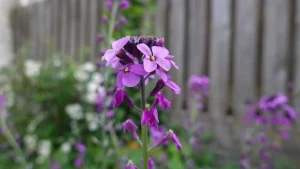
The Queen of Night Flower: Mystical Bloom – Captivates After Dark

knowaboutbullying.com – The Queen of Night flower, known scientifically as Cestrum nocturnum, is a captivating and enchanting plant that has long been revered for its mysterious beauty and intoxicating fragrance. Often referred to as the “night-blooming jasmine,” this flower is celebrated not only for its striking appearance but also for the powerful scent that wafts through the air during the evening hours. With its nocturnal blooming habits and otherworldly fragrance, the Queen of Night flower is a favorite among gardeners and flower enthusiasts alike.

Origins and Discovery

Native to the Caribbean, parts of Central America, and tropical regions of South America, the Queen of Night flower thrives in warm, humid climates. It was first introduced to Europe and other temperate regions in the 18th century, where it quickly became a sought-after ornamental plant for its exotic appeal. Over time, the plant spread to gardens around the world, particularly in subtropical and tropical climates where its unique qualities could be enjoyed to the fullest.

The name Cestrum nocturnum refers to the plant’s botanical family and its notorious habit of blooming at night. The flower is also commonly known as “night-blooming jasmine,” although it is not technically a true jasmine. Its ethereal beauty and fragrant blooms have earned it the title “Queen of Night,” highlighting its regal allure.

Physical Characteristics

The Queen of Night flower is a woody shrub that can grow up to 6 feet in height, with dark green, glossy leaves that provide a lush backdrop for the delicate, tubular flowers. The plant’s blossoms are small but abundant, typically measuring around 1 to 1.5 inches in length, and they appear in clusters. The flowers are typically white or pale yellow when in bloom, but their beauty truly comes to life in the evening.

It is the fragrance of the Queen of Night flower that truly makes it stand out. The blooms release a rich, sweet, and intoxicating scent that intensifies as night falls, reaching its peak during the late evening and early morning hours. This potent fragrance is said to resemble a combination of jasmine, honeysuckle, and gardenia, filling the air with an unforgettable perfume that can be smelled from a distance.

Nocturnal Blooms

What sets the Queen of Night flower apart from many other plants is its fascinating blooming cycle. Unlike most flowers, which open during the daytime, the Queen of Night blooms exclusively at night. The buds typically begin to open around dusk and are fully open by midnight, emitting their potent fragrance to attract nocturnal pollinators like moths. By morning, the flowers start to close, their fragrance gradually fading as the day progresses.

This nocturnal blooming behavior has given the Queen of Night an air of mystery, making it a symbol of the moon, the night, and the unseen. It is a flower that invites quiet contemplation and connection with the beauty of the night. Its fleeting blooms are often seen as a reminder to appreciate the ephemeral moments of life.

Symbolism and Meaning

In various cultures, the Queen of Night flower holds rich symbolism. Its beauty and fragrance, which are most prominent at night, make it a symbol of mystery, allure, and grace. The flower’s fleeting nature also ties it to themes of impermanence and the transient nature of beauty. Some view it as a metaphor for hidden beauty, something that can only be fully appreciated in the quiet solitude of the night.

In the language of flowers, the Queen of Night represents love, sensuality, and the spiritual connection to the mysteries of the universe. Its intoxicating fragrance and nocturnal blooming habits have earned it a place in many gardens designed for evening enjoyment, as it is best appreciated when the world is calm and still.

Growing and Caring for the Queen of Night Flower

Growing the Queen of Night flower requires a bit of attention to detail, as it thrives in specific conditions. It prefers a warm, humid environment and does best in well-drained soil with a slightly acidic to neutral pH. In tropical and subtropical climates, it can be grown year-round, but in cooler regions, it is often cultivated as an annual or grown in pots that can be moved indoors during the winter months.

The Queen of Night flower needs full sunlight during the day, though it should be protected from the harshest midday sun in extremely hot climates. It thrives in areas with plenty of light and a consistent watering schedule. However, the plant does not like to be waterlogged, so it is important to allow the soil to dry out between waterings.

For optimal growth and blooming, the Queen of Night flower benefits from regular fertilization, particularly during its blooming season in the warmer months. Pruning the plant after its blooming period will help maintain its shape and encourage new growth.

While the plant is relatively hardy, it can be susceptible to pests like aphids and caterpillars, which may require organic pest control methods. Additionally, because the plant is sensitive to frost, it should be protected from cold temperatures in areas that experience freezing winters.

Uses and Applications

The Queen of Night flower is primarily grown for ornamental purposes, but its intoxicating fragrance makes it a popular choice for creating fragrant gardens or enhancing the ambiance of evening gatherings. Many gardeners plant it near patios, walkways, or windows where its sweet scent can be enjoyed at night.

The flower is also used in aromatherapy, as its fragrance is believed to have calming and mood-lifting properties. Some believe that the scent of the Queen of Night can help reduce stress and anxiety, making it an ideal plant for creating a peaceful and relaxing atmosphere.

In traditional medicine, various parts of the Cestrum nocturnum plant have been used for their potential healing properties. The plant has been utilized in folk medicine to treat ailments like headaches, insomnia, and digestive issues, although modern scientific evidence supporting these uses is limited.

Conclusion

The Queen of Night flower is a mystical and alluring bloom that enchants with its beauty and fragrance. Known for its nocturnal blooms and intoxicating scent, it is a plant that captures the imagination and invites appreciation for the wonders of the night. Whether planted in a garden for its sensory appeal or grown indoors to enjoy its sweet perfume, the Queen of Night flower offers a truly unique experience for anyone lucky enough to witness its fleeting beauty.

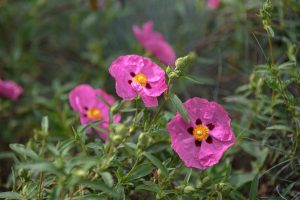
Stonecrop Flower: A Resilient Beauty for Any Garden

knowaboutbullying.com – Stonecrop flowers, also known as sedums, are hardy, drought-tolerant plants that have become popular among gardeners for their beauty and low-maintenance nature. Known for their succulent leaves and vibrant blooms, stonecrop flowers are ideal for adding texture and color to garden beds, rock gardens, or even containers. In this article, we’ll explore the characteristics of stonecrop flowers, their varieties, growing tips, and how to care for these stunning plants.

What is a Stonecrop Flower?

Stonecrop is a common name for plants in the genus Sedum, which includes over 400 species of flowering succulents. These plants are native to temperate regions of the Northern Hemisphere and are recognized for their fleshy, water-retentive leaves. The flowers of stonecrop species vary in color, but they are most often seen in shades of pink, red, yellow, and white, creating a striking contrast against the plant’s often thick, green or reddish foliage.

Stonecrop plants are perfect for gardeners looking for plants that require little care but still offer considerable visual appeal. These plants are particularly suited for rock gardens, as they are naturally adapted to grow in dry, rocky environments.

Physical Characteristics of Stonecrop Flowers:

  • Flowers: Stonecrop flowers bloom in clusters, creating a dense, rounded flower head that stands above the foliage. These flowers are small but produce a striking impact when in full bloom. Their color can range from bright pink to deep red, yellow, or white, depending on the variety.
  • Leaves: The leaves of stonecrop plants are thick, fleshy, and often waxy, which helps them retain water. The leaves can be green, blue-green, or even purple or red, particularly when exposed to full sunlight.
  • Growth Habit: Stonecrop plants generally have a low, spreading growth habit, with some varieties growing upright while others form dense mats. The height varies by species, ranging from a few inches to 12–18 inches.
  • Fruiting: After flowering, stonecrop plants produce small, dry seed capsules that contain several seeds, though they are more commonly propagated through division or cuttings.

Popular Varieties of Stonecrop:

  1. Sedum ‘Autumn Joy’ (Hylotelephium telephium): This variety is one of the most widely recognized, known for its large, pinkish-red flower heads that appear in late summer to fall. It thrives in full sun and is perfect for adding late-season color to gardens.
  2. Sedum ‘Angelina’: This creeping stonecrop is popular for its bright yellow-green foliage, which turns orange or red in cooler temperatures. It is a low-growing, spreading variety that works well in rock gardens or as ground cover.
  3. Sedum ‘Blue Spruce’ (Sedum reflexum): With needle-like, blue-gray leaves and small, yellow flowers, this variety adds a cool, soothing color to the landscape. It’s perfect for a rock garden or a dry border.
  4. Sedum ‘Dragon’s Blood’: This variety has deep red foliage and vibrant pink-red flowers. It is a hardy ground cover plant that adds both texture and color to the garden.
  5. Sedum ‘Lemon Ball’: Known for its bright yellow-green foliage and compact growth, this variety is often used as a low border or ground cover plant. It produces small yellow flowers in late summer.

Growing Stonecrop Flowers:

Stonecrop flowers are incredibly easy to grow and maintain, making them perfect for beginner gardeners or those with limited time. Here are some tips for growing stonecrop flowers successfully:

  1. Soil Requirements: Stonecrop flowers prefer well-drained soil, ideally sandy or gravelly. While they can tolerate poor soil, they thrive best in slightly acidic to neutral soil conditions. Avoid heavy, clay-based soils that retain water.
  2. Sunlight: These plants love full sun, so choose a sunny spot for planting. Stonecrop flowers need at least six hours of direct sunlight each day to perform at their best. However, they can tolerate partial shade, especially in hotter climates.
  3. Watering: One of the major benefits of stonecrop flowers is their drought tolerance. While they need to be watered regularly during the first growing season to establish their roots, once established, they require little water. Overwatering can cause root rot, so it’s essential to let the soil dry out between waterings.
  4. Spacing: Stonecrop plants are typically low-growing and spread out, so give them enough space to grow without overcrowding. Depending on the variety, space them 8 to 12 inches apart.
  5. Temperature: Stonecrop flowers are hardy in USDA hardiness zones 3 through 9, making them suitable for a variety of climates. They can tolerate temperature fluctuations and are especially resistant to hot, dry conditions.

Care and Maintenance:

  1. Pruning: Stonecrop plants are relatively low-maintenance, but they benefit from occasional pruning. Deadheading spent flowers will encourage more blooms, while trimming back leggy stems in spring will help maintain a tidy, compact shape.
  2. Fertilization: Stonecrop flowers do not require heavy fertilization. In fact, too much fertilizer can cause them to become leggy and lose their compact form. If necessary, apply a balanced, slow-release fertilizer in early spring.
  3. Winter Care: While many stonecrop varieties are cold-hardy, some may benefit from a layer of mulch in colder climates to protect the roots. Once established, however, most stonecrop species can survive winter without additional care.
  4. Dividing and Propagating: Stonecrop flowers can be propagated easily by division or cuttings. To divide the plant, simply dig up a mature clump in spring or fall and separate it into smaller sections, then replant them. Cuttings can be taken from the stems in late summer and rooted in a well-drained potting mix.

Why Grow Stonecrop Flowers?

  1. Low Maintenance: One of the biggest advantages of stonecrop flowers is their ability to thrive with minimal care. Once established, they are drought-tolerant and require little attention.
  2. Versatility: Stonecrop flowers can be used in a variety of garden settings, from rock gardens to hanging baskets, containers, or as ground cover. Their adaptability makes them suitable for a wide range of garden styles.
  3. Attractive to Pollinators: Stonecrop flowers attract bees, butterflies, and other pollinators, making them an excellent addition to any wildlife-friendly garden.
  4. Seasonal Interest: With their late summer and fall blooms, stonecrop flowers add color to gardens when many other plants are fading. Their foliage can also provide year-round interest, especially varieties with vibrant fall colors.

Conclusion:

Stonecrop flowers are a versatile, beautiful, and easy-to-care-for addition to any garden. Their bright, colorful blooms, combined with their ability to thrive in tough conditions, make them a perfect choice for rock gardens, xeriscapes, or any low-maintenance garden. Whether you are a seasoned gardener or a beginner, stonecrop flowers are sure to add both beauty and resilience to your outdoor space.

The Resilience and Beauty of the Rock Rose Flower

knowaboutbullying.com – The Rock Rose (Cistus spp.) is a hardy, drought-tolerant shrub known for its vibrant, paper-like flowers. Native to the Mediterranean region, this plant is cherished for its ability to thrive in dry, rocky soils while producing an abundance of delicate blooms. The Rock Rose is often used in gardens for its colorful display, resilience, and adaptability to challenging growing conditions.

Appearance and Growth

Rock Rose shrubs typically grow between 2 to 5 feet in height and have a sprawling, bushy form. The plant’s evergreen leaves are narrow, gray-green, and often aromatic when crushed. Its most notable feature is the colorful, crinkled flowers, which resemble tissue paper. These blooms come in shades of pink, white, purple, and yellow, often with contrasting darker spots at the base of the petals. Despite their delicate appearance, each flower lasts only a day, but the plant continues to bloom prolifically throughout the spring and summer.

Flowering and Pollination

Rock Rose flowers are short-lived but are continually replaced by new blooms, ensuring a vibrant display during the warmer months. The flowers open in the morning and typically drop by the end of the day. They are pollinated by bees and other insects, which are attracted to the bright colors and the plentiful supply of pollen. The plant’s resilience and ability to flower even in poor soil conditions make it an excellent addition to wild or naturalistic garden designs.

Care and Cultivation

Rock Rose is a low-maintenance plant that thrives in sunny, dry locations. It prefers well-draining soil and can tolerate poor, rocky conditions, making it ideal for rock gardens or xeriscaping. This drought-tolerant shrub requires little water once established and should be watered sparingly to prevent root rot. It is frost-sensitive, so it should be grown in areas with mild winters or protected from extreme cold. Pruning after the flowering season helps maintain the plant’s shape and encourages more vigorous growth.

Uses in Landscaping

Rock Rose is often used in Mediterranean or dry-climate gardens where its low water requirements and beautiful flowers add both practicality and beauty. It can be planted in borders, along pathways, or in rock gardens, where its dense, spreading growth can serve as a groundcover. Its ability to withstand poor soil conditions also makes it useful for erosion control on slopes or rocky areas. Additionally, its fragrant leaves and flowers make it a popular choice for adding sensory appeal to the garden.

Symbolism and Cultural Significance

In various cultures, Rock Rose flowers have been associated with endurance and resilience, reflecting the plant’s ability to thrive in harsh conditions. In some Mediterranean regions, extracts from the plant are used in traditional medicine for their potential anti-inflammatory and antioxidant properties.

Conclusion

The Rock Rose is a versatile and beautiful shrub that brings a splash of color to dry, sunny gardens. Its resilience, low water needs, and striking blooms make it an excellent choice for gardeners looking for an easy-to-care-for plant that can withstand challenging environments. Whether used as a groundcover, in rock gardens, or along borders, the Rock Rose is a hardy and eye-catching addition to any landscape.

Night-Scented Stock: The Fragrant Flower of the Evening

knowaboutbullying.com – Night-Scented Stock (Matthiola longipetala) is a delightful and fragrant flower known for its captivating aroma that fills the air as dusk falls. This charming plant, often grown in gardens for its pleasing scent and beautiful appearance, has earned a reputation for its ability to bloom in the cooler evening hours. With its soft pastel hues and sweet fragrance, Night-Scented Stock has become a favorite among gardeners looking to add a sensory experience to their landscapes.

What is Night-Scented Stock?

Night-Scented Stock is a member of the Brassicaceae family, which includes cabbages, mustards, and other cruciferous plants. It is a biennial or short-lived perennial that thrives in cooler climates, making it a popular choice for spring and fall gardens. The flowers of this plant are small but densely packed, with colors ranging from pale lavender and pink to white, creating a soft, pastel display.

The plant’s primary appeal, however, lies in its fragrance. Night-Scented Stock emits a rich, sweet scent that intensifies in the evening and can fill the garden with a heady perfume at nightfall. This scent, which is most potent when the sun sets and temperatures cool, attracts nocturnal pollinators such as moths, making it an essential flower for nighttime biodiversity.

Characteristics of Night-Scented Stock Flowers

The flowers of Night-Scented Stock are typically 1-2 inches wide and have a characteristic four-petaled shape, similar to other members of the Brassicaceae family. They grow in clusters along tall, slender stems that can reach up to 18-24 inches in height. The plant’s leaves are lance-shaped and form a rosette at the base, while the blooms are arranged on spikes, creating a graceful, upright appearance.

What makes Night-Scented Stock particularly special is the strength of its fragrance, which is most intense in the evening and at night. The perfume is often described as sweet, spicy, and slightly clove-like, making it a popular choice for gardens designed to be enjoyed at dusk or night.

Growing Night-Scented Stock

Night-Scented Stock is a relatively easy plant to grow, especially for those living in cooler climates where the plant can thrive in the spring and fall. It does best in full sun or partial shade, although it prefers a location with some afternoon shade in hot climates. The plant enjoys well-drained, fertile soil and should be watered regularly, but it’s important to avoid waterlogged conditions, as this can cause root rot.

Here are some tips for growing Night-Scented Stock:

  • Planting: Direct sow the seeds outdoors in early spring, or start them indoors 6-8 weeks before the last expected frost. Space the plants about 6-12 inches apart to allow for proper air circulation.
  • Location: Choose a sunny location, though some afternoon shade is beneficial in hotter climates. The plants perform well in containers or garden beds.
  • Watering: Keep the soil consistently moist, but avoid overwatering. Night-Scented Stock is not particularly drought-tolerant, so regular watering is essential.
  • Fertilizing: Apply a balanced fertilizer in the spring to encourage healthy growth and blooms. Avoid heavy fertilizing, as too much nitrogen can lead to excessive foliage growth at the expense of flowers.
  • Pruning: Deadhead spent flowers regularly to promote new blooms and extend the flowering season. This also helps keep the plant tidy and encourages continuous flowering.

Symbolism and Cultural Significance

The Night-Scented Stock has been admired for centuries not only for its fragrance but also for its connection to the night and evening hours. In many cultures, flowers that bloom in the evening or night are seen as symbols of mystery, serenity, and reflection. The gentle perfume of Night-Scented Stock is said to evoke a sense of calm and tranquility, making it a popular choice for evening gardens designed to soothe the mind.

In Victorian times, flowers often carried specific meanings, and Night-Scented Stock was associated with “lasting beauty” and “intangible joy.” Its presence in a garden was thought to enhance the peacefulness of the evening, as its fragrance became most pronounced as the day faded into night.

Attracting Pollinators

Night-Scented Stock is an excellent plant for attracting nocturnal pollinators, particularly moths. These insects are drawn to the sweet scent of the flowers, which is most potent at night. In addition to moths, the flowers also attract other beneficial insects like bees, making it an important plant for promoting biodiversity in the garden.

By planting Night-Scented Stock in a garden, you can help create a haven for these pollinators, contributing to a healthier and more vibrant ecosystem. The plant’s nocturnal blooming schedule and fragrance also make it a perfect choice for creating a garden that is alive with activity during the evening and night.

Conclusion

Night-Scented Stock is a unique and charming addition to any garden. With its sweet fragrance, beautiful pastel flowers, and ability to attract nocturnal pollinators, it offers more than just visual beauty—it engages the senses and creates a sensory-rich experience in the garden. Whether planted as a fragrant border, in containers, or as part of a larger nighttime garden, Night-Scented Stock adds a touch of magic and tranquility to any outdoor space. Its scent, most potent when the sun sets, makes it a perfect flower for those who want to enjoy their garden after dark.

Jacob’s Ladder Flower: A Graceful Perennial for Garden Charm

knowaboutbullying.com – Jacob’s Ladder (Polemonium caeruleum) is a perennial flower that has long been admired for its delicate beauty and ease of care. With its cascading clusters of bell-shaped flowers and fern-like foliage, this plant adds a touch of elegance and tranquility to any garden. Known for its ability to thrive in a variety of settings, Jacob’s Ladder is a popular choice for both experienced and novice gardeners.

Appearance and Characteristics

Jacob’s Ladder is named for its unique, ladder-like arrangement of leaves, which are pinnately compound and arranged alternately along the stem. The foliage has a soft, feathery texture that creates a lush, almost fern-like effect, making it a lovely addition to both formal and naturalistic gardens.

The flowers of Jacob’s Ladder appear in late spring to early summer, typically in shades of blue, purple, or white. These clusters of small, bell-shaped blooms create a soft, airy appearance that contrasts beautifully with the plant’s green foliage. Depending on the variety, the flowers can range from pale blue to deep violet, and their subtle fragrance adds another layer of charm. The plant usually grows between 12 to 18 inches tall, with a similar spread, making it an ideal choice for the front of garden borders or woodland settings.

Growing Conditions

Native to temperate regions of Europe, Asia, and North America, Jacob’s Ladder is well-suited to cool, moist conditions. It thrives in well-drained, fertile soil that is rich in organic matter. The plant prefers partial shade but can tolerate full sun in cooler climates, though it may need extra moisture during hot summer months.

To grow Jacob’s Ladder successfully, choose a spot that provides consistent moisture, especially during the growing season. While the plant is somewhat drought-tolerant once established, it will perform best when kept adequately watered. The soil should be slightly acidic to neutral, and it is important to ensure that the area has good drainage to prevent root rot.

Care and Maintenance

Jacob’s Ladder is relatively low-maintenance, but a few simple care tips can help ensure the plant thrives:

  1. Watering: While the plant is somewhat drought-tolerant, it prefers consistently moist soil, especially during the growing season. Water regularly, particularly during dry spells, but ensure the soil does not become soggy.
  2. Pruning: Deadheading spent flowers encourages a tidy appearance and may extend the blooming period. In late fall, cut back the plant to the ground to promote healthy new growth the following spring.
  3. Soil: Ensure the soil is rich in organic matter and well-draining. Adding compost can improve soil structure and fertility.
  4. Winter Care: In colder climates, Jacob’s Ladder may die back during the winter. However, it generally reemerges in the spring. Mulching around the base can help protect the plant from extreme temperatures and retain soil moisture.

Attracting Pollinators

Jacob’s Ladder is a wonderful plant for attracting pollinators. Its bell-shaped flowers are particularly appealing to bees, butterflies, and hummingbirds, which are drawn to the nectar-rich blooms. By planting Jacob’s Ladder, gardeners can help support pollinator populations and contribute to a healthier garden ecosystem. The flowers are also known to attract beneficial insects that can help control pests naturally.

Jacob’s Ladder in the Garden

With its graceful appearance and easy-care nature, Jacob’s Ladder is a versatile plant that fits well in a variety of garden styles. It is particularly suited to woodland gardens, shaded borders, or rock gardens where its elegant foliage and soft blooms can shine. The plant also works well in cottage gardens or as part of a naturalistic planting scheme, where it can form gentle drifts of color.

Jacob’s Ladder pairs beautifully with other shade-loving plants, such as ferns, hostas, and astilbes, creating a lush and varied garden display. It is also an excellent choice for planting alongside groundcovers, where its delicate flowers and foliage can create a stunning contrast.

Conclusion

Jacob’s Ladder is a charming and easy-to-grow perennial that adds elegance and beauty to gardens of all types. With its airy clusters of blue, purple, or white flowers and its fern-like foliage, it’s a plant that will continue to enchant gardeners season after season. Whether planted in a shaded woodland garden, a cottage garden, or as part of a mixed border, Jacob’s Ladder is sure to enhance the beauty of any landscape with its graceful presence and ability to attract pollinators.

Four O’Clock Flower: A Colorful Evening Bloomer

knowaboutbullying.com – The Four O’Clock Flower (Mirabilis jalapa) is a unique and vibrant plant known for its late-afternoon blooms and delightful fragrance. This fascinating plant gets its name from its habit of opening its flowers in the late afternoon or early evening, making it a perfect addition to evening gardens. Its ability to produce multiple colors on the same plant adds an extra layer of charm and appeal. Here’s everything you need to know about the Four O’Clock Flower.

Appearance and Characteristics

Four O’Clock Flowers are bushy, herbaceous perennials that can grow between 2 to 3 feet in height. The flowers are trumpet-shaped and come in a wide range of colors, including pink, red, yellow, white, and even bi-colored or striped varieties. What makes these flowers especially interesting is their ability to produce different-colored blooms on the same plant or even on the same branch. The plant’s heart-shaped, bright green leaves complement the colorful blooms, creating a striking display. The flowers open in the late afternoon and release a sweet, pleasant fragrance, staying open throughout the night until the next morning.

Planting and Growing Conditions

Four O’Clock Flowers are easy to grow and thrive in a variety of conditions. They prefer well-drained soil and full sun but can tolerate partial shade. They are typically grown from tubers or seeds, and once planted, they require minimal maintenance. The seeds can be sown directly into the garden after the danger of frost has passed, and the tubers can be planted similarly to dahlias. These plants are also drought-tolerant, making them a great choice for xeriscaping or water-wise gardens.

Care and Maintenance

Four O’Clock Flowers are low-maintenance plants, ideal for beginner gardeners or those looking for easy-care options. They require little attention once established. Regular watering is necessary during dry periods, but the plant can withstand short periods of drought. Fertilizing is not essential but can boost bloom production if desired. Pruning is minimal; you can deadhead spent flowers to encourage more blooms. At the end of the season, the plant may die back in colder climates, but the tubers can be dug up, stored, and replanted the following spring.

Uses in Landscaping

The Four O’Clock Flower is an excellent choice for evening gardens or moon gardens due to its night-blooming habit and pleasant fragrance. It works well in borders, beds, and containers, adding a splash of color when many other plants are beginning to wind down for the day. These plants also attract hummingbirds, butterflies, and moths, making them a great addition to pollinator-friendly gardens. Their bold colors and bushy growth habit make them perfect for filling in gaps in garden beds or for planting alongside other night-blooming flowers.

Conclusion

The Four O’Clock Flower is a delightful and versatile addition to any garden, offering vibrant evening blooms, a sweet fragrance, and the unique ability to display multiple flower colors on the same plant. With its easy-care nature and adaptability, it’s an excellent choice for gardeners looking to add a touch of color and interest to their outdoor spaces. Whether planted in containers, borders, or moon gardens, Four O’Clock Flowers are sure to impress with their late-afternoon spectacle.