Stonecrop Flower: A Resilient Beauty for Any Garden

knowaboutbullying.com – Stonecrop flowers, also known as sedums, are hardy, drought-tolerant plants that have become popular among gardeners for their beauty and low-maintenance nature. Known for their succulent leaves and vibrant blooms, stonecrop flowers are ideal for adding texture and color to garden beds, rock gardens, or even containers. In this article, we’ll explore the characteristics of stonecrop flowers, their varieties, growing tips, and how to care for these stunning plants.

What is a Stonecrop Flower?

Stonecrop is a common name for plants in the genus Sedum, which includes over 400 species of flowering succulents. These plants are native to temperate regions of the Northern Hemisphere and are recognized for their fleshy, water-retentive leaves. The flowers of stonecrop species vary in color, but they are most often seen in shades of pink, red, yellow, and white, creating a striking contrast against the plant’s often thick, green or reddish foliage.

Stonecrop plants are perfect for gardeners looking for plants that require little care but still offer considerable visual appeal. These plants are particularly suited for rock gardens, as they are naturally adapted to grow in dry, rocky environments.

Physical Characteristics of Stonecrop Flowers:

  • Flowers: Stonecrop flowers bloom in clusters, creating a dense, rounded flower head that stands above the foliage. These flowers are small but produce a striking impact when in full bloom. Their color can range from bright pink to deep red, yellow, or white, depending on the variety.
  • Leaves: The leaves of stonecrop plants are thick, fleshy, and often waxy, which helps them retain water. The leaves can be green, blue-green, or even purple or red, particularly when exposed to full sunlight.
  • Growth Habit: Stonecrop plants generally have a low, spreading growth habit, with some varieties growing upright while others form dense mats. The height varies by species, ranging from a few inches to 12–18 inches.
  • Fruiting: After flowering, stonecrop plants produce small, dry seed capsules that contain several seeds, though they are more commonly propagated through division or cuttings.

Popular Varieties of Stonecrop:

  1. Sedum ‘Autumn Joy’ (Hylotelephium telephium): This variety is one of the most widely recognized, known for its large, pinkish-red flower heads that appear in late summer to fall. It thrives in full sun and is perfect for adding late-season color to gardens.
  2. Sedum ‘Angelina’: This creeping stonecrop is popular for its bright yellow-green foliage, which turns orange or red in cooler temperatures. It is a low-growing, spreading variety that works well in rock gardens or as ground cover.
  3. Sedum ‘Blue Spruce’ (Sedum reflexum): With needle-like, blue-gray leaves and small, yellow flowers, this variety adds a cool, soothing color to the landscape. It’s perfect for a rock garden or a dry border.
  4. Sedum ‘Dragon’s Blood’: This variety has deep red foliage and vibrant pink-red flowers. It is a hardy ground cover plant that adds both texture and color to the garden.
  5. Sedum ‘Lemon Ball’: Known for its bright yellow-green foliage and compact growth, this variety is often used as a low border or ground cover plant. It produces small yellow flowers in late summer.

Growing Stonecrop Flowers:

Stonecrop flowers are incredibly easy to grow and maintain, making them perfect for beginner gardeners or those with limited time. Here are some tips for growing stonecrop flowers successfully:

  1. Soil Requirements: Stonecrop flowers prefer well-drained soil, ideally sandy or gravelly. While they can tolerate poor soil, they thrive best in slightly acidic to neutral soil conditions. Avoid heavy, clay-based soils that retain water.
  2. Sunlight: These plants love full sun, so choose a sunny spot for planting. Stonecrop flowers need at least six hours of direct sunlight each day to perform at their best. However, they can tolerate partial shade, especially in hotter climates.
  3. Watering: One of the major benefits of stonecrop flowers is their drought tolerance. While they need to be watered regularly during the first growing season to establish their roots, once established, they require little water. Overwatering can cause root rot, so it’s essential to let the soil dry out between waterings.
  4. Spacing: Stonecrop plants are typically low-growing and spread out, so give them enough space to grow without overcrowding. Depending on the variety, space them 8 to 12 inches apart.
  5. Temperature: Stonecrop flowers are hardy in USDA hardiness zones 3 through 9, making them suitable for a variety of climates. They can tolerate temperature fluctuations and are especially resistant to hot, dry conditions.

Care and Maintenance:

  1. Pruning: Stonecrop plants are relatively low-maintenance, but they benefit from occasional pruning. Deadheading spent flowers will encourage more blooms, while trimming back leggy stems in spring will help maintain a tidy, compact shape.
  2. Fertilization: Stonecrop flowers do not require heavy fertilization. In fact, too much fertilizer can cause them to become leggy and lose their compact form. If necessary, apply a balanced, slow-release fertilizer in early spring.
  3. Winter Care: While many stonecrop varieties are cold-hardy, some may benefit from a layer of mulch in colder climates to protect the roots. Once established, however, most stonecrop species can survive winter without additional care.
  4. Dividing and Propagating: Stonecrop flowers can be propagated easily by division or cuttings. To divide the plant, simply dig up a mature clump in spring or fall and separate it into smaller sections, then replant them. Cuttings can be taken from the stems in late summer and rooted in a well-drained potting mix.

Why Grow Stonecrop Flowers?

  1. Low Maintenance: One of the biggest advantages of stonecrop flowers is their ability to thrive with minimal care. Once established, they are drought-tolerant and require little attention.
  2. Versatility: Stonecrop flowers can be used in a variety of garden settings, from rock gardens to hanging baskets, containers, or as ground cover. Their adaptability makes them suitable for a wide range of garden styles.
  3. Attractive to Pollinators: Stonecrop flowers attract bees, butterflies, and other pollinators, making them an excellent addition to any wildlife-friendly garden.
  4. Seasonal Interest: With their late summer and fall blooms, stonecrop flowers add color to gardens when many other plants are fading. Their foliage can also provide year-round interest, especially varieties with vibrant fall colors.

Conclusion:

Stonecrop flowers are a versatile, beautiful, and easy-to-care-for addition to any garden. Their bright, colorful blooms, combined with their ability to thrive in tough conditions, make them a perfect choice for rock gardens, xeriscapes, or any low-maintenance garden. Whether you are a seasoned gardener or a beginner, stonecrop flowers are sure to add both beauty and resilience to your outdoor space.
The Resilience and Beauty of the Rock Rose Flower

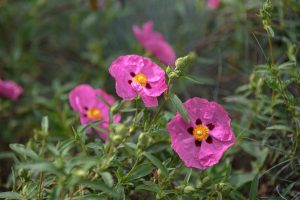
knowaboutbullying.com – The Rock Rose (Cistus spp.) is a hardy, drought-tolerant shrub known for its vibrant, paper-like flowers. Native to the Mediterranean region, this plant is cherished for its ability to thrive in dry, rocky soils while producing an abundance of delicate blooms. The Rock Rose is often used in gardens for its colorful display, resilience, and adaptability to challenging growing conditions.

Appearance and Growth

Rock Rose shrubs typically grow between 2 to 5 feet in height and have a sprawling, bushy form. The plant’s evergreen leaves are narrow, gray-green, and often aromatic when crushed. Its most notable feature is the colorful, crinkled flowers, which resemble tissue paper. These blooms come in shades of pink, white, purple, and yellow, often with contrasting darker spots at the base of the petals. Despite their delicate appearance, each flower lasts only a day, but the plant continues to bloom prolifically throughout the spring and summer.

Flowering and Pollination

Rock Rose flowers are short-lived but are continually replaced by new blooms, ensuring a vibrant display during the warmer months. The flowers open in the morning and typically drop by the end of the day. They are pollinated by bees and other insects, which are attracted to the bright colors and the plentiful supply of pollen. The plant’s resilience and ability to flower even in poor soil conditions make it an excellent addition to wild or naturalistic garden designs.

Care and Cultivation

Rock Rose is a low-maintenance plant that thrives in sunny, dry locations. It prefers well-draining soil and can tolerate poor, rocky conditions, making it ideal for rock gardens or xeriscaping. This drought-tolerant shrub requires little water once established and should be watered sparingly to prevent root rot. It is frost-sensitive, so it should be grown in areas with mild winters or protected from extreme cold. Pruning after the flowering season helps maintain the plant’s shape and encourages more vigorous growth.

Uses in Landscaping

Rock Rose is often used in Mediterranean or dry-climate gardens where its low water requirements and beautiful flowers add both practicality and beauty. It can be planted in borders, along pathways, or in rock gardens, where its dense, spreading growth can serve as a groundcover. Its ability to withstand poor soil conditions also makes it useful for erosion control on slopes or rocky areas. Additionally, its fragrant leaves and flowers make it a popular choice for adding sensory appeal to the garden.

Symbolism and Cultural Significance

In various cultures, Rock Rose flowers have been associated with endurance and resilience, reflecting the plant’s ability to thrive in harsh conditions. In some Mediterranean regions, extracts from the plant are used in traditional medicine for their potential anti-inflammatory and antioxidant properties.

Conclusion

The Rock Rose is a versatile and beautiful shrub that brings a splash of color to dry, sunny gardens. Its resilience, low water needs, and striking blooms make it an excellent choice for gardeners looking for an easy-to-care-for plant that can withstand challenging environments. Whether used as a groundcover, in rock gardens, or along borders, the Rock Rose is a hardy and eye-catching addition to any landscape.

“Poetry” (2010): Finding Beauty in the Mundane

knowaboutbullying.com – “Poetry” (시), a 2010 South Korean drama film written and directed by Lee Chang-dong, is a poignant and deeply moving exploration of aging, memory, and the power of art to find beauty and meaning in life, even amidst hardship. The film tells the story of an elderly woman who begins taking poetry classes while grappling with the onset of Alzheimer’s and a devastating family secret.

An Ordinary Life: Mija’s Daily Routine

The film introduces us to Mija (Yoon Jeong-hee), a 66-year-old woman living a simple life in a small town, caring for her delinquent grandson, Wook. She works as a part-time caregiver and finds joy in the small details of her daily routine.

This focus on the ordinary aspects of Mija’s life establishes a sense of intimacy and allows the audience to connect with her on a personal level. It highlights the contrast between the mundane aspects of her life and the profound emotional journey she undertakes.

A Newfound Passion: Discovering Poetry

Mija’s life takes a new turn when she enrolls in a local poetry class. This newfound passion for poetry becomes a source of solace and inspiration for her, providing her with a new way of looking at the world.

The film beautifully portrays Mija’s journey of discovering poetry. She observes the world around her with newfound attention, finding beauty in the everyday details of nature and human interaction.

A Devastating Secret: Confronting a Family Tragedy

While Mija is exploring the world of poetry, she is also confronted with a devastating family secret: her grandson is implicated in a horrific incident involving a young girl. This revelation throws Mija into a state of emotional turmoil, forcing her to confront the harsh realities of life and the complexities of human behavior.

The film delicately handles this sensitive subject matter, focusing on Mija’s emotional response and her struggle to reconcile her love for her grandson with the gravity of his actions.

The Power of Observation: Finding Beauty Amidst Hardship

“Poetry” emphasizes the importance of observation and the ability to find beauty even in the midst of hardship. Mija’s poetry becomes a way for her to process her emotions, make sense of the world around her, and find moments of beauty and meaning in the face of tragedy.

The film’s visuals are often stunning, capturing the beauty of the natural world and the small details of everyday life. These visuals mirror Mija’s poetic sensibility and reinforce the film’s theme of finding beauty in the mundane.

A Poignant Meditation on Life, Memory, and Art

“Poetry” is a poignant and deeply moving meditation on life, memory, and the power of art. It explores the complexities of aging, the burden of family secrets, and the human capacity for resilience and compassion.

Yoon Jeong-hee delivers a tour-de-force performance as Mija, capturing the character’s vulnerability, strength, and quiet dignity. Her performance is the heart and soul of the film, conveying a wide range of emotions with subtlety and grace.

A Masterpiece of Human Observation: A Lasting Impression

“Poetry” is a masterpiece of human observation, offering a profound and unforgettable cinematic experience. Its delicate handling of sensitive themes, combined with its beautiful visuals and Yoon Jeong-hee’s exceptional performance, makes it a truly remarkable film. It’s a film that stays with you long after the credits roll, prompting reflection on the beauty and fragility of life.

Huila: A Land of Natural Beauty and Cultural Heritage

Neiva: The Heart of the Colombian South

knowaboutbullying.com – Huila, a department nestled in the southern region of Colombia, is a land of stunning landscapes, rich history, and vibrant culture. Its capital city, Neiva, is a bustling metropolis that serves as a gateway to the region’s natural wonders and cultural treasures.   

A Natural Paradise

Huila boasts a diverse range of natural landscapes, from snow-capped mountains to lush valleys and arid deserts.   

  • Nevado del Huila: A majestic volcano that offers breathtaking views and challenging hiking trails.   
  • Desierto de la Tatacoa: A unique desert landscape with otherworldly rock formations and vibrant colors.   
  • Río Magdalena: The mighty Magdalena River flows through the department, offering opportunities for fishing, boating, and water sports.   

A Cultural Tapestry

Huila’s rich cultural heritage is influenced by its indigenous roots and Spanish colonial past.

  • Indigenous Communities: The department is home to several indigenous communities, such as the Nasa and Misak, who have preserved their unique cultural traditions.
  • Local Cuisine: Savor the flavors of Huila, with dishes featuring fresh local ingredients, such as trout, potatoes, and corn.

A Historical Journey

Huila’s history dates back to pre-Columbian times, with evidence of ancient civilizations such as the Nariño culture.

  • San Agustín Archaeological Park: A UNESCO World Heritage Site, this park features hundreds of ancient stone sculptures and tombs.

A Modern City

Neiva, a rapidly growing city, offers a blend of modern amenities and traditional charm.

  • Plaza de Bolívar: The central square, surrounded by historic buildings, including the Cathedral of Saint Peter the Apostle.
  • Commercial Centers: Modern shopping malls and commercial centers offer a variety of goods and services.
  • Nightlife: The city’s vibrant nightlife scene includes bars, clubs, and live music venues.

Discovering the Timeless Beauty of Luxor

knowaboutbullying.com – Luxor, often referred to as the “world’s greatest open-air museum,” is a city in southern Egypt that is rich in history and archaeological wonders. Situated on the east bank of the Nile River, Luxor is a must-visit destination for anyone interested in ancient Egyptian culture and history.

The Splendor of Ancient Thebes

Luxor was once the ancient city of Thebes, the capital of Egypt during the height of its power in the New Kingdom. The city is home to some of the most impressive temples and monuments from this era. The Temple of Karnak, a vast complex dedicated to the god Amun, is one of the largest religious buildings ever constructed. Its grand halls and towering columns are a testament to the architectural prowess of the ancient Egyptians.

The Valley of the Kings

On the west bank of the Nile lies the Valley of the Kings, a burial ground for the pharaohs and nobles of the New Kingdom. This UNESCO World Heritage site is famous for its richly decorated tombs, including that of the young pharaoh Tutankhamun. Visitors can explore several of these tombs, marveling at the intricate hieroglyphics and colorful wall paintings that have survived for millennia.

Temples of Luxor

The Temple of Luxor, located in the heart of the city, is another architectural masterpiece. Built by Amenhotep III and later expanded by Ramses II, this temple is particularly stunning at night when it is illuminated, creating a magical atmosphere. The avenue of sphinxes that once connected the Temple of Luxor to Karnak Temple is currently being restored, offering visitors a glimpse into the grandeur of ancient Thebes.

Modern Luxor

Beyond its ancient sites, Luxor is a vibrant modern city with a lively atmosphere. The bustling souks (markets) offer a taste of local life, where visitors can shop for traditional crafts, spices, and souvenirs. Luxor is also a gateway to exploring the scenic Nile River, with many travelers opting for a river cruise to experience the beauty of Egypt’s landscape.

Conclusion

Luxor is a city that offers an unparalleled journey through history. From the majestic temples and tombs to the lively streets and markets, Luxor captivates the imagination and offers a profound connection to Egypt’s ancient past. Whether you’re an archaeology enthusiast or simply looking to experience the rich culture of Egypt, Luxor promises a memorable adventure.

Kourtney Kardashian & Poosh: Wellness, Beauty, & Home Products

knowaboutbullying.com – Kourtney Kardashian, a reality TV star and entrepreneur, has ventured into the lifestyle industry with the launch of Poosh, a brand that offers wellness, beauty, and home products. This venture is a reflection of Kardashian’s personal interests and her commitment to sharing her lifestyle tips and favorite products with her fans.

The Launch of Poosh

Poosh was launched in 2019, with the aim of providing a curated selection of products that align with Kardashian’s philosophy on wellness, beauty, and home. The brand’s name, Poosh, is a playful nod to Kardashian’s own name and her desire to “push” her followers towards a healthier, more balanced lifestyle. From the outset, Poosh has been more than just a product line; it’s a platform for sharing lifestyle content, including articles, tips, and recommendations.

Focus on Wellness, Beauty, and Home

Poosh’s product range is diverse, reflecting Kardashian’s broad interests. The wellness category includes supplements, skincare, and health-related products, while the beauty section offers makeup, haircare, and personal care items. The home category features home decor, kitchen essentials, and eco-friendly products. Each product is carefully selected or developed by Kardashian to ensure it meets her standards for quality and effectiveness.

Commitment to Quality and Sustainability

Kardashian’s commitment to quality is evident in Poosh’s product selection. The brand prioritizes natural and organic ingredients in its beauty and wellness products, and sustainable materials in its home goods. This commitment to sustainability and ethical sourcing resonates with consumers who are increasingly looking for eco-friendly options.

Accessibility and Inclusivity

Poosh is designed to be accessible to a wide audience, with products priced to be competitive in the lifestyle market. Kardashian’s approach is inclusive, aiming to cater to a diverse range of lifestyles and preferences. The brand’s content and product recommendations are tailored to provide value and inspiration to followers at various stages of their wellness and lifestyle journeys.

Community and Engagement

Kardashian’s personal involvement in Poosh is a key factor in the brand’s success. She regularly shares her personal experiences, tips, and favorite products on the Poosh website and social media platforms. This engagement with her community helps build trust and authenticity, making Poosh not just a brand but a lifestyle destination for her fans.

Educational Content and Lifestyle Tips

Beyond product offerings, Poosh provides valuable content on wellness, beauty, and home. The brand’s website features articles on topics such as mental health, skincare routines, and home organization. This educational approach helps demystify lifestyle and wellness practices, empowering consumers to make informed choices about their daily routines.

Conclusion

Poosh is more than just a lifestyle brand; it’s a reflection of Kourtney Kardashian’s personal philosophy and her commitment to sharing her lifestyle with her fans. By offering a curated selection of wellness, beauty, and home products, along with valuable content and tips, Poosh has become a go-to destination for those looking to elevate their lifestyle. As Poosh continues to grow and evolve, it remains true to its mission of providing products and inspiration that help individuals live their best lives.