Parâng Mountains: A Winter Wonderland – A Winter Paradise

knowaboutbullying.com – The Parâng Mountains, a stunning mountain range in the Southern Carpathians of Romania, are a popular destination for outdoor enthusiasts, particularly hikers and skiers. Known for their dramatic peaks, pristine forests, and diverse wildlife, the Parâng Mountains offer a breathtaking natural landscape.

A Winter Paradise

The Parâng Mountains are particularly renowned for their winter sports opportunities. The ski resort of Pârâul Rece, located within the Parâng Mountains National Park, offers a range of slopes suitable for skiers and snowboarders of all levels. The resort’s high altitude ensures reliable snow conditions throughout the winter season.

Hiking and Trekking

During the summer months, the Parâng Mountains transform into a hiker’s paradise. The well-marked trails wind through lush forests, past crystal-clear lakes, and up to breathtaking mountain peaks. Some popular hiking trails include:

  • Parâng Peak: The highest peak in the Parâng Mountains, offering panoramic views of the surrounding landscape.
  • Șaua Dobrești: A scenic pass with stunning views of the valleys below.
  • Peștișu Mic: A picturesque alpine lake surrounded by towering peaks.

Diverse Wildlife

The Parâng Mountains are home to a diverse range of wildlife, including brown bears, wolves, chamois, and various bird species. The forests are particularly abundant in wildlife, and visitors may encounter these animals on their hikes.

A Natural Wonder

The Parâng Mountains are a testament to the beauty and diversity of the Romanian Carpathians. Whether you’re seeking a winter adventure or a summer escape, the Parâng Mountains offer something for everyone. With its stunning scenery, diverse wildlife, and numerous outdoor activities, the Parâng Mountains are a must-visit destination for nature lovers and adventure seekers.

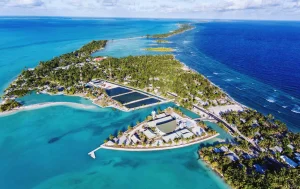
Lanbi Kyun: A Pristine Island Paradise – A Secluded Escape

knowaboutbullying.com – Lanbi Kyun, also known as Lampi Island, is a stunning island in the Mergui Archipelago of Myanmar. This remote paradise, with its pristine beaches, lush rainforests, and vibrant coral reefs, offers an unforgettable experience for nature lovers and adventure seekers.   

A Natural Wonderland

Lanbi Kyun is a haven for biodiversity, boasting a diverse range of flora and fauna. The island’s lush rainforests are home to numerous bird species, including rare and endangered birds. The surrounding waters are teeming with marine life, making it a popular destination for snorkeling and diving enthusiasts. The coral reefs are vibrant and healthy, home to a kaleidoscope of colorful fish, sea turtles, and other marine creatures.   

A Secluded Escape

Lanbi Kyun offers a truly secluded and peaceful experience. The island’s remote location and pristine beaches provide the perfect setting for relaxation and rejuvenation. Visitors can enjoy swimming, sunbathing, and simply soaking up the tranquility of the island’s natural beauty.

A Sustainable Future

The Myanmar government has recognized the importance of preserving the pristine beauty of Lanbi Kyun and the surrounding marine ecosystem. Strict conservation measures have been implemented to protect the island’s delicate environment. Visitors are encouraged to follow responsible tourism practices, such as minimizing their impact on the environment and supporting local communities.   

A Unique Adventure

For those seeking a unique and adventurous experience, Lanbi Kyun offers a variety of activities, including kayaking, trekking, and birdwatching. The island’s remote location and challenging terrain make it a destination for the truly adventurous.   

Lanbi Kyun is a true hidden gem, offering a pristine and unforgettable experience. Its pristine beaches, vibrant marine life, and lush rainforests make it a must-visit destination for nature lovers and adventure seekers.

Kiribati: A Remote Paradise in the Pacific

knowaboutbullying.com – Nestled in the heart of the Pacific Ocean, Kiribati is a nation that epitomizes the essence of a remote paradise. Comprising 33 atolls and reef islands, this archipelagic state stretches across the equator, offering a unique blend of natural beauty, cultural richness, and a way of life that is deeply connected to the sea.

Geographical Marvels

Kiribati’s geography is as diverse as it is fascinating. The country is divided into three main island groups: the Gilbert Islands, the Phoenix Islands, and the Line Islands. Each group has its own distinct characteristics, from the vibrant coral reefs teeming with marine life to the serene lagoons that reflect the azure sky. The most notable of these is the Phoenix Islands Protected Area, one of the world’s largest marine protected areas, which serves as a sanctuary for endangered species and a testament to Kiribati’s commitment to conservation.

Cultural Tapestry

The people of Kiribati, known as I-Kiribati, have a rich cultural heritage that is deeply intertwined with their environment. Traditional practices such as fishing, weaving, and navigation are not just means of survival but are also expressions of their cultural identity. The vibrant festivals, like the Te Maeva Nui, celebrate the nation’s history and culture, offering visitors a glimpse into the life of the islands.

Challenges and Resilience

Despite its idyllic setting, Kiribati faces significant challenges, particularly from climate change. Rising sea levels threaten the very existence of these low-lying islands, prompting the government and people to seek innovative solutions for survival. From building sea walls to exploring options for relocation, the resilience of the I-Kiribati people in the face of adversity is a powerful narrative of hope and adaptation.

Sustainable Tourism

Kiribati is increasingly becoming a destination for eco-tourists seeking an authentic experience of the Pacific. The government and local communities are working together to develop sustainable tourism practices that respect the environment and support the local economy. From snorkeling in pristine waters to exploring ancient archaeological sites, visitors can enjoy the islands’ beauty while contributing to their preservation.

Conclusion

Kiribati stands as a beacon of natural wonder and cultural richness in the vast Pacific Ocean. Its remote location and the warm hospitality of its people make it a unique destination for those seeking an escape from the hustle and bustle of modern life. As the nation navigates the challenges of climate change, it continues to offer a glimpse into a way of life that is both ancient and enduring. Kiribati is not just a paradise; it is a testament to the human spirit’s resilience and the beauty of our planet.