Iran’s Cultural and Artistic Heritage – Ancient Roots

knowaboutbullying.com – Iran, historically known as Persia, is a country with a rich cultural and artistic legacy that spans thousands of years. This heritage is shaped by its diverse history, its role as a crossroads between civilizations, and its influence on literature, art, architecture, and philosophy. From ancient times to the present day, Iran’s contributions to world culture have been profound, influencing not only the Middle East but also Central Asia, Europe, and beyond.

Ancient Roots of Iranian Culture

Iran’s cultural heritage dates back to ancient times, particularly during the reign of the Achaemenid Empire (550–330 BCE), where Persian civilization reached new heights. The Zoroastrian religion, which emerged during this era, shaped the cultural and philosophical framework of the region. Its emphasis on truth, moral responsibility, and the cosmic struggle between good and evil influenced not only Persian society but also later religious traditions, including Judaism, Christianity, and Islam.

The magnificent city of Persepolis, built by Darius the Great, stood as a symbol of Persian architectural grandeur, with its towering columns, intricate reliefs, and palaces. The Achaemenids left a lasting legacy in terms of governance, art, and respect for cultural diversity, which became defining characteristics of Persian society.

Persian Literature: Poetry and Prose

Iran is renowned for its profound contributions to world literature, particularly in the form of poetry. Persian poets have long been revered for their mastery of language, emotional depth, and philosophical insight. One of the most famous figures in Iranian literary history is Ferdowsi, whose epic poem, the Shahnameh (“The Book of Kings”), is a monumental work recounting the history and mythology of ancient Persia. Written in the 10th century CE, the Shahnameh has played a central role in preserving Persian culture and language after the Arab conquest of Iran.

Other renowned poets include Rumi, Hafez, and Saadi, whose works reflect themes of love, mysticism, and the human experience. Rumi, a 13th-century Persian poet, is widely regarded for his spiritual and philosophical verses, which have had a lasting impact on Sufi thought and have gained global popularity in modern times. Hafez, another 14th-century poet, is celebrated for his lyrical poetry that explores love, divinity, and the complexity of the human soul.

Persian literature is not limited to poetry; Persian prose also flourished during the Islamic Golden Age. Scholars like Avicenna (Ibn Sina) and Al-Ghazali contributed to the fields of philosophy, science, and theology, leaving a lasting intellectual legacy that influenced both the Islamic world and Europe.

Visual Arts and Miniature Painting

Iran’s visual arts have a rich tradition, particularly in the form of Persian miniature painting, which reached its height during the Safavid dynasty (1501–1736 CE). Persian miniatures are characterized by their intricate detail, vibrant colors, and the depiction of epic scenes from Persian literature, particularly the Shahnameh and other classical works.

These small-scale paintings often feature depictions of courtly life, hunting scenes, and illustrations of famous Persian tales. The miniatures were frequently created to accompany manuscripts and were prized for their artistic beauty and precision.

Persian carpets are another significant aspect of Iran’s visual arts. Iran has been famed for its carpet-weaving industry for centuries, with Persian rugs renowned for their intricate designs, symbolism, and craftsmanship. These handwoven carpets, featuring floral motifs, geometric patterns, and bold colors, are treasured works of art that continue to be highly sought after around the world.

Architecture: Persian Innovations and Islamic Influence

Iran’s architectural heritage is among the most celebrated in the world. Ancient Persia was home to some of the most iconic and innovative structures, including the Persepolis complex, the Ziggurat of Chogha Zanbil, and the Achaemenid tombs at Naqsh-e Rustam. Persian architecture combined elements of grandeur and intricacy, influencing the architectural styles of neighboring regions.

With the advent of Islam in the 7th century, Iranian architecture underwent a significant transformation, blending pre-Islamic traditions with Islamic elements. The development of mosques, madrasas (educational institutions), and palaces during the Islamic period introduced new architectural styles and techniques.

The Safavid period marked the zenith of Iranian Islamic architecture, particularly in the city of Isfahan, which became known for its stunning mosques, bridges, and gardens. The Shah Mosque (Imam Mosque), with its turquoise-blue tiles and grand entrance, and the Ali Qapu Palace, an example of exquisite Safavid artistry, are some of the masterpieces from this era.

Iranian gardens, known as Persian gardens, are also an essential part of the country’s architectural heritage. These gardens, designed to represent paradise on earth, feature a symmetrical layout with flowing water, trees, and carefully manicured plants, symbolizing the harmony between nature and the human spirit. The design of Persian gardens influenced the development of gardens in India (such as the Taj Mahal’s garden) and throughout the Islamic world.

Iranian Cinema: A Modern Cultural Force

In recent decades, Iran has made significant contributions to global cinema, establishing itself as a hub of art-house and socially conscious films. Iranian filmmakers like Abbas Kiarostami, Asghar Farhadi, and Majid Majidi have garnered international acclaim for their ability to blend realism with powerful storytelling.

Kiarostami’s films, such as “Taste of Cherry” and “The Wind Will Carry Us,” reflect philosophical inquiries into life, death, and the human condition, earning him a global reputation. Asghar Farhadi, another renowned filmmaker, won two Academy Awards for Best Foreign Language Film with his works “A Separation” and “The Salesman.” Iranian cinema is often lauded for its subtlety, focus on the human experience, and its ability to thrive despite restrictions on content.

Music and Performing Arts

Iran has a long and rich tradition of music that spans several forms, from classical Persian music to modern compositions. Classical Persian music is characterized by its use of intricate scales, or dastgahs, and its emphasis on vocal improvisation. The tar, setar, and santur are some of the traditional instruments that play an essential role in Persian classical music.

Iranian music, both traditional and contemporary, has had a profound influence on the cultural identity of the nation. Sufi music, in particular, holds a special place in Iranian culture due to its connection to mystical poetry and spiritual expression.

Legacy of Iran’s Cultural and Artistic Heritage

Iran’s cultural and artistic heritage is an enduring testament to the creativity and resilience of its people. From the ancient artistic traditions of the Achaemenid and Sassanian empires to the modern achievements in literature, film, and music, Iran has played a pivotal role in shaping the cultural landscape of the world.

The contributions of Persian literature, architecture, visual arts, and intellectual thought continue to resonate globally, influencing not only the cultures of the Middle East and Central Asia but also impacting Western thought and art. Despite political upheavals and periods of foreign domination, Iran’s cultural identity has remained strong, serving as a wellspring of artistic and intellectual expression throughout history.

In conclusion, Iran’s cultural and artistic heritage stands as one of the richest and most influential legacies in the world, reflecting the nation’s long history of creativity, diversity, and innovation.

Monte Roraima: A Tepui of Wonder – A Tabletop Mountain

knowaboutbullying.com – Monte Roraima, a dramatic tabletop mountain, stands as a testament to the raw power of nature. Located in South America, it straddles the borders of Venezuela, Brazil, and Guyana. Its unique, flat-topped plateau, rising abruptly from the surrounding rainforest, has captivated explorers and scientists for centuries.   

A World Apart

The summit of Monte Roraima is a world apart, a unique ecosystem with strange and wonderful plant and animal life. Its distinctive flora, including carnivorous plants and giant bromeliads, has evolved in isolation, creating a botanical wonderland. The plateau’s dramatic cliffs and deep canyons offer breathtaking views of the surrounding rainforest.

A Climber’s Paradise

For experienced climbers, Monte Roraima is a challenging and rewarding adventure. The ascent to the summit involves technical climbing, rappelling, and navigating through dense vegetation. The journey, however, is rewarded with unparalleled views of the surrounding landscape.

A Cultural Icon

Monte Roraima has long been a source of inspiration for indigenous cultures. The Pemón people, who inhabit the region, consider the mountain to be a sacred site. According to their mythology, the mountain is the remnant of a vast plateau that once covered the entire Earth.

A Conservation Challenge

Despite its remote location, Monte Roraima faces threats from climate change, deforestation, and tourism. The delicate ecosystem of the plateau is vulnerable to human impact. Conservation efforts are underway to protect this unique natural wonder and ensure its preservation for future generations.

A Timeless Beauty

Monte Roraima remains a timeless symbol of nature’s power and beauty. Its unique ecosystem, stunning scenery, and rich cultural heritage make it a must-visit destination for adventurous travelers and nature enthusiasts alike.

Huila: A Land of Natural Beauty and Cultural Heritage

Neiva: The Heart of the Colombian South

knowaboutbullying.com – Huila, a department nestled in the southern region of Colombia, is a land of stunning landscapes, rich history, and vibrant culture. Its capital city, Neiva, is a bustling metropolis that serves as a gateway to the region’s natural wonders and cultural treasures.   

A Natural Paradise

Huila boasts a diverse range of natural landscapes, from snow-capped mountains to lush valleys and arid deserts.   

  • Nevado del Huila: A majestic volcano that offers breathtaking views and challenging hiking trails.   
  • Desierto de la Tatacoa: A unique desert landscape with otherworldly rock formations and vibrant colors.   
  • Río Magdalena: The mighty Magdalena River flows through the department, offering opportunities for fishing, boating, and water sports.   

A Cultural Tapestry

Huila’s rich cultural heritage is influenced by its indigenous roots and Spanish colonial past.

  • Indigenous Communities: The department is home to several indigenous communities, such as the Nasa and Misak, who have preserved their unique cultural traditions.
  • Local Cuisine: Savor the flavors of Huila, with dishes featuring fresh local ingredients, such as trout, potatoes, and corn.

A Historical Journey

Huila’s history dates back to pre-Columbian times, with evidence of ancient civilizations such as the Nariño culture.

  • San Agustín Archaeological Park: A UNESCO World Heritage Site, this park features hundreds of ancient stone sculptures and tombs.

A Modern City

Neiva, a rapidly growing city, offers a blend of modern amenities and traditional charm.

  • Plaza de Bolívar: The central square, surrounded by historic buildings, including the Cathedral of Saint Peter the Apostle.
  • Commercial Centers: Modern shopping malls and commercial centers offer a variety of goods and services.
  • Nightlife: The city’s vibrant nightlife scene includes bars, clubs, and live music venues.

Great Britain: A Land of Contrasts – An Rich in History & Culture

knowaboutbullying.com – Great Britain, the largest island of the British Isles, is a captivating blend of history, culture, and natural beauty. Comprising England, Scotland, and Wales, it offers a diverse range of experiences, from bustling cities to serene countryside.

A Tapestry of History

The history of Great Britain is a rich tapestry woven with tales of ancient civilizations, medieval kingdoms, and industrial revolutions. From the Roman Empire to the British Empire, the island has played a significant role in shaping world history.

  • England: Known for its historic cities like London, with iconic landmarks such as Buckingham Palace and the Tower of London.
  • Scotland: Famous for its rugged landscapes, including the Scottish Highlands, and its cultural heritage, such as bagpipes and kilts.
  • Wales: Renowned for its stunning coastal scenery, medieval castles, and the Welsh language.

A Diverse Landscape

Great Britain boasts a diverse landscape, ranging from rolling hills and picturesque countryside to dramatic mountains and stunning coastlines.

  • English Countryside: The English countryside offers idyllic villages, rolling hills, and historic castles.
  • Scottish Highlands: The Scottish Highlands are a breathtaking wilderness of mountains, lochs, and ancient forests.
  • Welsh Coast: The Welsh coast is known for its dramatic cliffs, sandy beaches, and quaint seaside towns.

A Cultural Melting Pot

Great Britain is a multicultural society, with a rich tapestry of cultures, traditions, and languages.

  • English Culture: English culture is influenced by a variety of factors, including Celtic, Roman, and Anglo-Saxon traditions.
  • Scottish Culture: Scottish culture is characterized by its unique traditions, such as Highland games, bagpipe music, and Scottish dancing.
  • Welsh Culture: Welsh culture is deeply rooted in the Welsh language and Celtic traditions.

A Culinary Adventure

Great Britain offers a diverse culinary scene, with influences from around the world.

  • Traditional British Cuisine: Traditional British dishes include fish and chips, roast dinner, and afternoon tea.
  • Modern British Cuisine: Modern British cuisine is a fusion of traditional and contemporary flavors, often incorporating local and seasonal ingredients.
  • Regional Specialties: Each region of Great Britain has its own unique culinary specialties, such as Scottish haggis and Welsh cakes.

Always and Forever (2009): A Tale of Second Chances

knowaboutbullying.com – Always and Forever is a 2009 romantic drama directed by Kevin Connor, featuring Rena Sofer, Dean McDermott, and Barbara Eden. This television film weaves a heartfelt story about rekindling lost love and the power of second chances, set against the backdrop of a high school reunion.

Plot Summary

The film tells the story of Grace Holland and Michael Foster, played by Rena Sofer and Dean McDermott, respectively. Once high school sweethearts, their paths diverged when Grace left for college. Years later, at their 20th high school reunion, they find themselves reconnecting after both have experienced failed marriages. As they reminisce about their shared past, they start to question the decisions that led them apart and consider what the future might hold if they dare to embrace love again.

Character Dynamics

The chemistry between Grace and Michael is central to the film’s charm. Their journey is one of rediscovery, as they navigate the emotional complexities of revisiting old feelings while dealing with the baggage of their past. Barbara Eden’s role adds warmth and depth to the story, providing a sage perspective on love and life.

Cultural Impact

While Always and Forever may not have made waves on a global scale, it resonates with audiences who appreciate tender, character-driven narratives. Its themes of enduring love and the possibility of new beginnings make it a comforting watch for those who enjoy romantic dramas with a touch of nostalgia.

Conclusion

Always and Forever captures the essence of timeless romance and the hope that love can reignite even after years apart. It serves as a gentle reminder that sometimes, the heart knows what it wants, even if it takes a detour to get there.

Discovering the Timeless Beauty of Luxor

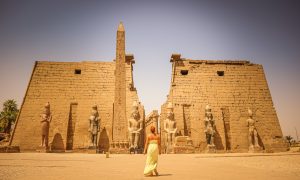
knowaboutbullying.com – Luxor, often referred to as the “world’s greatest open-air museum,” is a city in southern Egypt that is rich in history and archaeological wonders. Situated on the east bank of the Nile River, Luxor is a must-visit destination for anyone interested in ancient Egyptian culture and history.

The Splendor of Ancient Thebes

Luxor was once the ancient city of Thebes, the capital of Egypt during the height of its power in the New Kingdom. The city is home to some of the most impressive temples and monuments from this era. The Temple of Karnak, a vast complex dedicated to the god Amun, is one of the largest religious buildings ever constructed. Its grand halls and towering columns are a testament to the architectural prowess of the ancient Egyptians.

The Valley of the Kings

On the west bank of the Nile lies the Valley of the Kings, a burial ground for the pharaohs and nobles of the New Kingdom. This UNESCO World Heritage site is famous for its richly decorated tombs, including that of the young pharaoh Tutankhamun. Visitors can explore several of these tombs, marveling at the intricate hieroglyphics and colorful wall paintings that have survived for millennia.

Temples of Luxor

The Temple of Luxor, located in the heart of the city, is another architectural masterpiece. Built by Amenhotep III and later expanded by Ramses II, this temple is particularly stunning at night when it is illuminated, creating a magical atmosphere. The avenue of sphinxes that once connected the Temple of Luxor to Karnak Temple is currently being restored, offering visitors a glimpse into the grandeur of ancient Thebes.

Modern Luxor

Beyond its ancient sites, Luxor is a vibrant modern city with a lively atmosphere. The bustling souks (markets) offer a taste of local life, where visitors can shop for traditional crafts, spices, and souvenirs. Luxor is also a gateway to exploring the scenic Nile River, with many travelers opting for a river cruise to experience the beauty of Egypt’s landscape.

Conclusion

Luxor is a city that offers an unparalleled journey through history. From the majestic temples and tombs to the lively streets and markets, Luxor captivates the imagination and offers a profound connection to Egypt’s ancient past. Whether you’re an archaeology enthusiast or simply looking to experience the rich culture of Egypt, Luxor promises a memorable adventure.

Saraburi: The Heart of Thailand’s Central Plains

knowaboutbullying.com – Saraburi, a province located in the central region of Thailand, is often celebrated for its stunning natural landscapes, vibrant cultural heritage, and significant religious sites. Conveniently located near Bangkok, Saraburi offers an excellent escape for those looking to explore the natural beauty and cultural richness of Thailand’s central plains.

Natural Wonders

Khao Sam Lan National Park

One of the province’s top attractions is Khao Sam Lan National Park, known for its lush greenery and beautiful waterfalls. Visitors can enjoy hiking trails that lead to breathtaking spots like the Sam Lan Waterfall, which offers a refreshing retreat amidst nature.

Sunflower Fields

Saraburi is famous for its expansive sunflower fields, particularly during the blooming season from November to January. These vibrant fields attract photographers and nature lovers alike, offering spectacular views and a delightful experience for visitors.

Cultural and Historical Sites

Wat Phra Phutthabat

A significant religious site in Saraburi is Wat Phra Phutthabat, home to a revered Buddha footprint shrine. This temple is an important pilgrimage site for Buddhists and features beautiful architecture set against a serene backdrop, providing a peaceful environment for reflection and worship.

Ancient Temples

The province also boasts several ancient temples, such as Wat Phra Phutthachai, known for its rock carvings and panoramic views. These historical sites offer insight into the region’s spiritual heritage and architectural marvels.

Local Culture and Lifestyle

Festivals and Events

Saraburi hosts various festivals throughout the year, with the annual Tak Bat Dok Mai Festival being one of the most notable. During this event, locals and visitors participate in a traditional flower offering ceremony, creating a vibrant and spiritual atmosphere.

Local Cuisine

The province offers a taste of authentic Thai cuisine, with local specialties such as “Khao Lam” (sweet sticky rice cooked in bamboo) and “Pla Ra” (fermented fish) that reflect the region’s culinary traditions. Exploring local markets provides an opportunity to savor these unique flavors and interact with the friendly locals.

Conclusion

Saraburi, with its combination of natural beauty, historical sites, and cultural richness, offers a diverse and fulfilling travel experience. Whether you’re exploring scenic landscapes, visiting ancient temples, or enjoying local festivities, Saraburi welcomes you with open arms and a wealth of experiences to cherish.

Exploring Amnat Charoen: A Hidden Gem in Thailand

knowaboutbullying.com – Amnat Charoen, a lesser-known province in northeastern Thailand, offers a unique blend of natural beauty, cultural heritage, and traditional Thai lifestyle. Although it may not be as famous as Bangkok or Phuket, Amnat Charoen is a destination worth exploring for those seeking an authentic Thai experience.

The Cultural Heritage of Amnat Charoen

Amnat Charoen is rich in cultural heritage, with influences from both Thai and Laotian cultures. The province is home to several temples and historical sites that reflect its diverse history. The Wat Tham Saeng Phet, known for its stunning cave temple, and Wat Phra Lao Thep Nimit, famous for its ancient Buddha image, are must-visit sites for visitors.

Natural Beauty and Scenic Landscapes

The province boasts breathtaking landscapes, from lush rice paddies to serene rivers. The Mekong River, which borders the province, provides stunning views and opportunities for river cruises. Nature enthusiasts can explore the Phu Sa Dok Bua National Park, which offers hiking trails and the chance to see rare wildlife.

Traditional Thai Lifestyle

Amnat Charoen offers visitors a glimpse into traditional Thai life. The local markets are vibrant and full of fresh produce, handmade crafts, and delicious street food. The province is also known for its silk production, and visitors can learn about the traditional silk weaving process and purchase beautiful silk products as souvenirs.

Festivals and Local Traditions

Witnessing local festivals and traditions is a highlight of any visit to Amnat Charoen. The annual Rocket Festival, or Bun Bang Fai, is a spectacular event where locals launch homemade rockets into the sky to encourage rains for the rice planting season. This festival is a vibrant display of local culture and community spirit.

Conclusion

Amnat Charoen is a hidden gem that offers a rich cultural experience, stunning natural beauty, and a chance to immerse oneself in traditional Thai life. Whether you’re exploring ancient temples, enjoying the scenic landscapes, or participating in local festivals, Amnat Charoen provides an unforgettable journey into the heart of Thailand.

The Land of the Midnight Sun: Norway’s Unique Geography

knowaboutbullying.com – Norway, often referred to as “The Land of the Midnight Sun,” is renowned for its stunning natural landscapes and unique geographical features. This Scandinavian country is a land of fjords, mountains, and islands, offering a diverse range of environments that captivate both locals and visitors alike. In this article, we will explore the fascinating geography of Norway and discover what makes it so distinctive.

The Phenomenon of the Midnight Sun

One of the most extraordinary natural phenomena in Norway is the Midnight Sun. Occurring above the Arctic Circle during the summer months, the sun remains visible at midnight, casting a surreal glow over the landscape. This phenomenon allows for extended daylight hours, providing ample opportunity for outdoor activities and exploration. The Midnight Sun is most prominent in places like Tromsø and the Lofoten Islands, where it can be experienced from late May to late July.

Fjords: Norway’s Iconic Landscapes

Norway’s fjords are world-famous and are considered some of the most beautiful natural wonders on the planet. These deep, glacially-carved inlets are surrounded by towering cliffs and lush greenery, creating breathtaking vistas. The Geirangerfjord and Nærøyfjord, both UNESCO World Heritage Sites, are prime examples of Norway’s fjord landscapes. These areas offer opportunities for hiking, boating, and witnessing the stunning waterfalls that cascade down the cliffs.

The Majestic Mountains

The Scandinavian Mountains, which stretch across Norway, Sweden, and Finland, are another defining feature of Norway’s geography. Known locally as the “Scandes,” these mountains provide a dramatic backdrop to the Norwegian landscape. The Jotunheimen National Park, home to Norway’s highest peaks, including Galdhøpiggen, is a popular destination for hiking and mountaineering. The rugged terrain and pristine nature attract adventurers and nature lovers from around the world.

The Arctic Archipelago

The Svalbard archipelago, located in the Arctic Ocean, is a remote and intriguing part of Norway. It is known for its polar bears, glaciers, and untouched wilderness. Svalbard offers a unique glimpse into the Arctic environment, with opportunities for wildlife observation, ice caving, and exploring the stark yet beautiful landscapes. Longyearbyen, the largest settlement, serves as a base for expeditions into the Arctic wilderness.

Conclusion

Norway’s unique geography, characterized by its fjords, mountains, and Arctic regions, makes it a land of unparalleled natural beauty. The Midnight Sun, iconic fjords, and majestic mountains offer a myriad of experiences for those seeking adventure and tranquility. Whether it’s witnessing the sun at midnight or exploring the dramatic fjord landscapes, Norway’s geography promises an unforgettable journey into the heart of nature’s wonders.

Olahraga Jepang: Sumo dan Baseball

knowaboutbullying – Jepang memiliki budaya olahraga yang kaya dan beragam, dengan berbagai jenis olahraga yang memiliki sejarah panjang dan nilai-nilai budaya yang mendalam. Di antara berbagai olahraga tersebut, Sumo dan Baseball menonjol sebagai dua yang paling ikonik dan populer. Artikel ini akan membahas kedua olahraga tersebut, mulai dari sejarah, aturan, hingga dampaknya terhadap masyarakat Jepang.

Sumo

olahraga-jepang-sumo-dan-baseball

Sejarah Sumo

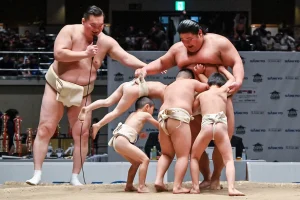
Sumo adalah olahraga tradisional Jepang yang sudah ada sejak lebih dari 1.500 tahun yang lalu. Awalnya, sumo merupakan bagian dari upacara keagamaan Shinto, di mana para pegulat, yang dikenal sebagai rikishi, bertanding untuk memohon kepada dewa agar hasil panen baik. Seiring berjalannya waktu, sumo berkembang menjadi olahraga yang terorganisir dengan aturan yang lebih jelas.

Aturan Dasar

Pertandingan sumo berlangsung di arena berbentuk lingkaran yang disebut dohyo. Dua pegulat akan bertanding dalam upaya untuk mengeluarkan satu sama lain dari arena atau menjatuhkan lawan ke tanah. Beberapa cara untuk menang antara lain:

  • Mengeluarkan lawan dari dohyo.
  • Menjatuhkan lawan ke tanah.
  • Memaksa lawan untuk menyentuh tanah dengan bagian tubuh lainnya selain kaki.

Pegulat sumo memiliki seragam yang disebut mawashi, yang terbuat dari kain yang kuat dan biasanya berwarna-warni. Sumo juga memiliki sejumlah ritual dan tradisi, seperti melakukan pemanasan dengan langkah-langkah yang ditentukan dan mengangkat tangan ke langit sebagai bentuk penghormatan kepada dewa.

Pengaruh Budaya

Sumo bukan hanya sekadar olahraga, tetapi juga bagian integral dari budaya Jepang. Pegulat sumo sering dianggap sebagai pahlawan nasional dan dihormati di masyarakat. Turnamen sumo diadakan di berbagai kota, dengan yang paling terkenal adalah turnamen di Tokyo, Osaka, Nagoya, dan Fukuoka. Selama turnamen, para penonton dapat merasakan semangat kompetisi yang tinggi dan melihat keindahan tradisi Jepang.

Baseball

olahraga-jepang-sumo-dan-baseball

Sejarah Baseball di Jepang

Baseball diperkenalkan ke Jepang pada akhir abad ke-19 oleh seorang misionaris asal Amerika Serikat, Horace Wilson, pada tahun 1872. Sejak saat itu, olahraga ini dengan cepat mendapatkan popularitas di kalangan masyarakat Jepang. Tim baseball pertama didirikan di Tokyo, dan tidak lama kemudian, berbagai liga dibentuk di seluruh negeri.

Aturan Dasar

Baseball di Jepang mengikuti aturan yang sama dengan baseball internasional, dengan dua tim yang terdiri dari sembilan pemain masing-masing. Pertandingan berlangsung selama sembilan inning, dan tujuan utama dari permainan ini adalah untuk mencetak lebih banyak run daripada tim lawan. Beberapa aspek menarik dari baseball Jepang adalah:

  • Peraturan Khusus: Di Jepang, terdapat beberapa peraturan yang berbeda, seperti penggunaan bola yang lebih berat dan lapangan yang sedikit berbeda dari standar internasional.
  • Semangat Tim: Budaya “Kouhai” dan “Senpai” (junior dan senior) sangat ditekankan dalam tim baseball, di mana hubungan hierarkis dan rasa saling menghormati menjadi bagian penting dari dinamika tim.
  • Bola Panas: Pertandingan baseball di Jepang sering kali diwarnai dengan sorak-sorai penonton yang penuh semangat, dan ada tradisi mengadakan pertunjukan sorak-sorai khusus yang dikenal sebagai “ouendan” untuk mendukung tim.

Pengaruh Budaya

Baseball telah menjadi salah satu olahraga paling populer di Jepang, dengan banyak pemain terkenal yang berhasil menembus liga utama di Amerika Serikat, seperti Shohei Ohtani dan Ichiro Suzuki. Liga Profesional Baseball Jepang, yang dikenal sebagai NPB (Nippon Professional Baseball), menarik jutaan penggemar setiap tahun dan menyelenggarakan turnamen yang sangat kompetitif, termasuk Japan Series yang memperebutkan gelar juara.

Baik Sumo maupun Baseball merupakan dua olahraga yang mencerminkan kekayaan budaya dan tradisi situs slot jepang. Sumo membawa nilai-nilai spiritual dan tradisional, sedangkan baseball menggambarkan semangat persaingan dan kebersamaan. Keduanya memiliki pengaruh yang besar dalam masyarakat Jepang dan terus berkembang seiring berjalannya waktu. Dengan keberagaman dan keunikan masing-masing, Sumo dan Baseball tidak hanya menjadi olahraga, tetapi juga simbol dari identitas dan kebanggaan bangsa Jepang.

Ukraine’s Complex History: Ancient Times – Modern Day

knowaboutbullying.com – Ukraine’s history stretches back to ancient times, with evidence of some of the earliest human settlements in the region. The Trypillian culture, which thrived between 4500 BC and 3000 BC, was known for its advanced agricultural practices and large settlements. This era laid the foundation for the diverse cultural influences that would come to define Ukraine.

The Kievan Rus’ Era

In the 9th century, the Kievan Rus’, a federation of Slavic tribes, emerged as a powerful entity. Centered around Kyiv, it served as a key political, economic, and cultural center in Eastern Europe. Under the rule of leaders like Vladimir the Great and Yaroslav the Wise, the Kievan Rus’ adopted Christianity, which played a crucial role in shaping the region’s cultural and religious landscape.

Mongol Invasion and Lithuanian-Polish Rule

The Mongol invasion in the 13th century brought an end to the Kievan Rus’, leading to a period of fragmentation. The region eventually came under the control of the Grand Duchy of Lithuania and later the Polish-Lithuanian Commonwealth. This era introduced new governance structures and cultural influences, further diversifying Ukraine’s identity.

Cossack Hetmanate and Russian Empire

In the 17th century, the Cossacks, known for their military prowess and desire for autonomy, established the Cossack Hetmanate. This semi-autonomous state played a critical role in shaping Ukrainian national identity. However, by the late 18th century, Ukraine was divided between the Russian Empire and the Austro-Hungarian Empire, leading to increased Russification and suppression of Ukrainian culture.

20th Century Turmoil and Independence

The 20th century was marked by significant upheaval for Ukraine. Following the Russian Revolution, Ukraine briefly declared independence in 1917, only to be absorbed into the Soviet Union in 1922. The subsequent decades were marked by devastating events, including the Holodomor, a man-made famine in the 1930s, and the brutal impacts of World War II.

Ukraine gained its independence in 1991, following the dissolution of the Soviet Union. This period was characterized by efforts to establish a stable democratic government and a market economy, while grappling with internal challenges and external pressures.

Modern-Day Ukraine: Challenges and Resilience

In recent years, Ukraine has faced significant challenges, including political upheaval, economic struggles, and ongoing conflict in the eastern regions. The 2014 Euromaidan protests led to significant political changes and heightened tensions with Russia, culminating in the annexation of Crimea and conflict in the Donbas region.

Despite these challenges, Ukraine has shown remarkable resilience and determination to forge its path. Efforts to strengthen democratic institutions, combat corruption, and integrate more closely with Europe continue to shape its future.

Conclusion

Ukraine’s history is a testament to its resilience and the complex interplay of cultural, political, and social forces that have shaped its identity. From ancient civilizations to modern-day challenges, Ukraine’s journey is a compelling narrative of struggle, survival, and hope for a brighter future.

Albania: A Journey Through Time – Ancient Beginnings

knowaboutbullying.com – Nestled in the heart of the Balkans, Albania is a country rich in history, culture, and natural beauty. Often overlooked by travelers, this hidden gem offers a unique journey through time, with traces of ancient civilizations, medieval castles, and vibrant modern cities. In this article, we explore the diverse tapestry that makes Albania a fascinating destination.

Ancient Beginnings

Albania’s history dates back to ancient times, with evidence of human settlement as early as the Paleolithic era. The Illyrians, an ancient group of tribes, were among the first known inhabitants, leaving behind remnants of their culture and society. The influence of the Greeks and Romans is also evident, particularly in the ruins of cities like Butrint, a UNESCO World Heritage site, where ancient theaters and temples stand as a testament to a bygone era.

Medieval Marvels

The medieval period in Albania saw the rise of powerful kingdoms and the construction of numerous castles and fortresses. The city of Krujë, home to the legendary national hero Skanderbeg, played a crucial role in resisting Ottoman invasions. The castle of Krujë, perched atop a hill, offers panoramic views of the surrounding landscape and serves as a poignant reminder of Albania’s resilient spirit.

Ottoman Influence

For over four centuries, Albania was part of the Ottoman Empire, a period that left a lasting impact on its culture, architecture, and cuisine. The vibrant bazaars, intricate mosques, and culinary delights like byrek and baklava reflect this rich Ottoman heritage. The city of Gjirokastër, with its well-preserved Ottoman architecture, is a perfect place to experience this unique blend of history and culture.

A Glimpse of the 20th Century

The 20th century brought significant changes to Albania, from its declaration of independence in 1912 to the tumultuous years of communist rule under Enver Hoxha. The capital city, Tirana, showcases a mix of architectural styles from this period, including Italian fascist buildings and stark communist-era structures. Today, Tirana is a vibrant city full of life, art, and innovation, symbolizing Albania’s journey towards modernization.

Natural Wonders

Beyond its historical and cultural riches, Albania boasts stunning natural landscapes. The Albanian Riviera, with its crystal-clear waters and pristine beaches, is a haven for sun-seekers and adventure enthusiasts alike. The rugged mountains, such as those found in the Valbona Valley, offer breathtaking hiking trails and opportunities to explore Albania’s wild beauty.

Conclusion

Albania is a country that defies expectations, offering travelers a unique blend of history, culture, and natural beauty. From ancient ruins to modern cities, its journey through time is a testament to the resilience and diversity of its people. Whether you’re a history buff, a nature lover, or an avid explorer, Albania promises an unforgettable adventure through time.

Yemen’s Struggle for Peace: Efforts & Obstacles

knowaboutbullying.com – Yemen has been embroiled in a devastating conflict since 2014, leaving the nation in dire humanitarian and political turmoil. Efforts for peace have been ongoing but fraught with challenges. This article explores the key efforts made towards achieving peace in Yemen and the obstacles that continue to hinder these efforts.

The Peace Efforts

International organizations and local entities have been engaged in a plethora of initiatives to bring peace to Yemen. The United Nations has been at the forefront, facilitating negotiations between the conflicting parties. The UN Special Envoy has consistently advocated for ceasefires and humanitarian access to affected regions. Additionally, various peace talks have been attempted, most notably the Stockholm Agreement of 2018, which aimed to address the situation in Hudaydah and Taiz.

Local governance and community-based peace-building initiatives have also emerged as crucial components in the broader peace effort. These initiatives focus on reinforcing local governance, supporting displaced populations, and promoting community resilience.

Obstacles to Peace

Despite these efforts, numerous obstacles persist. The ongoing military actions by the Houthi forces and the Saudi-led coalition have been significant barriers to peace. The continuous conflict has resulted in severe humanitarian crises, with millions displaced and a large portion of the population facing food insecurity.

Political fragmentation further complicates peace efforts. The lack of a unified government structure and the existence of multiple factions with competing interests make it difficult to reach a consensus. Additionally, foreign interventions and regional power struggles, particularly involving Saudi Arabia and Iran, have exacerbated the conflict.

Corruption and poor infrastructure also hinder humanitarian efforts, making the delivery of aid challenging and inefficient. These obstacles create a vicious cycle, perpetuating the conflict and delaying the peace process.

Conclusion

Yemen’s struggle for peace is a complex issue involving an interplay of local, regional, and international factors. While significant efforts have been made towards achieving peace, the path remains arduous. Addressing the root causes of the conflict, fostering inclusive governance, and ensuring humanitarian access are essential steps towards breaking the cycle of violence and building a sustainable peace.

Exploring the Rich Cultural Heritage of Lebanon

knowaboutbullying.com – Lebanon, a small country nestled in the heart of the Middle East, boasts a cultural heritage that is as rich and diverse as its history. From ancient ruins and historic sites to vibrant festivals and traditional crafts, Lebanon’s cultural landscape offers a fascinating glimpse into the past and present of this resilient nation.

Ancient Civilizations and Historical Sites

Lebanon’s cultural heritage is deeply rooted in its ancient history, with evidence of human settlement dating back thousands of years. The country was once home to the Phoenicians, a maritime civilization renowned for their seafaring skills and trade networks. Ruins of ancient cities such as Tyre and Byblos, both UNESCO World Heritage Sites, offer a window into this illustrious past.

The Roman influence is also prominently visible in Lebanon, with the Temple of Bacchus and the Roman ruins of Baalbek standing as testaments to the grandeur of the Roman Empire. These sites attract thousands of tourists each year, eager to explore the remnants of these once-thriving metropolises.

Diverse Cultural Influences

Throughout its history, Lebanon has been a crossroads for various civilizations, including the Greeks, Romans, Persians, Arabs, Crusaders, Ottomans, and French. This amalgamation of cultures has left a lasting impact on Lebanon’s cultural identity, reflected in its diverse population and rich traditions.

The country’s cultural diversity is also evident in its festivals and celebrations, which often blend different religious and cultural traditions. Events such as the Beirut Art Festival and the Byblos International Festival celebrate Lebanon’s artistic heritage and showcase the talents of local and international artists.

Traditional Crafts and Artisanal Skills

Lebanon is renowned for its traditional crafts and artisanal skills, which have been passed down through generations. From intricate embroidery and weaving to pottery and glassblowing, these crafts are an integral part of Lebanon’s cultural heritage. Efforts to preserve these skills are ongoing, with initiatives aimed at supporting local artisans and promoting their work both locally and internationally.

Culinary Traditions

Lebanese cuisine is another aspect of the country’s cultural heritage that has gained international acclaim. Known for its rich flavors and diverse ingredients, Lebanese food reflects the country’s agricultural abundance and cultural diversity. Dishes like mezze, kibbeh, and tabbouleh offer a taste of Lebanon’s culinary traditions, which have been influenced by various cultures over the centuries.

Challenges and Preservation Efforts

Despite its rich cultural heritage, Lebanon faces numerous challenges in preserving its historical sites and traditions. Political instability, economic difficulties, and environmental threats pose significant risks to the country’s cultural assets. However, local and international efforts, including those by UNESCO, are underway to safeguard Lebanon’s cultural heritage for future generations.

In conclusion, Lebanon’s cultural heritage is a testament to its rich history and diverse influences. From ancient ruins to vibrant festivals, the country’s cultural landscape is a mosaic of traditions and expressions that continue to enrich the lives of its people and captivate the world.

Discovering Taiwan: A Journey Through Island Culture

knowaboutbullying.com – Taiwan, a beautiful island nation located in East Asia, offers travelers an extraordinary blend of vibrant city life, rich cultural heritage, and breathtaking natural landscapes. Whether you’re exploring its bustling night markets or tranquil temples, Taiwan’s culture is a tapestry woven from diverse influences and traditions. This article will guide you through the cultural gems of Taiwan, highlighting the unique experiences that await you on this charming island.

The Melting Pot of Cultures

Taiwan’s cultural landscape is a fascinating amalgamation of indigenous traditions, Chinese heritage, Japanese influences, and Western modernity. This diversity is evident in the island’s architecture, festivals, and culinary scene. The harmonious coexistence of different cultural elements makes Taiwan a captivating destination for cultural exploration.

Festivals and Traditions

Taiwan is renowned for its vibrant festivals, which offer a glimpse into the island’s rich cultural tapestry. The Lantern Festival, Dragon Boat Festival, and Mid-Autumn Festival are just a few of the celebrations that showcase Taiwan’s traditional customs and communal spirit. Participating in these festivals allows visitors to immerse themselves in local traditions and experience the island’s vibrant community life.

Culinary Delights

Taiwan’s cuisine is a delightful reflection of its cultural diversity. From the sizzling street food stalls of Taipei’s night markets to the refined flavors of traditional tea ceremonies, the island offers a culinary journey that is both diverse and delicious. Must-try dishes include beef noodle soup, xiao long bao (soup dumplings), and the iconic bubble tea.

Artistic Heritage

Taiwan’s artistic scene is as diverse as its culture. The National Palace Museum in Taipei houses an extensive collection of Chinese art and artifacts, while contemporary art spaces like the Taipei Fine Arts Museum showcase the island’s modern creative talents. Traditional crafts, such as pottery and calligraphy, continue to thrive, offering visitors a chance to appreciate Taiwan’s artistic heritage.

Natural Wonders

Beyond its cultural attractions, Taiwan boasts stunning natural landscapes. From the towering peaks of Taroko Gorge to the serene shores of Sun Moon Lake, the island’s natural beauty is a testament to its diverse ecosystems. Exploring these landscapes provides a deeper understanding of Taiwan’s connection to nature and its influence on the island’s culture.

Conclusion

A journey through Taiwan’s culture is a journey through time and tradition, where ancient customs blend seamlessly with modern influences. Whether you’re savoring street food, participating in a traditional festival, or exploring the island’s natural wonders, Taiwan offers a rich and rewarding cultural experience. Discover the charms of this island nation and immerse yourself in the vibrant tapestry of Taiwanese culture.

Famous Personalities of Pakistan

knowaboutbullying.com – Pakistan, a country with a rich cultural heritage and diverse society, has produced numerous individuals who have made significant contributions in various fields. From politics to arts, sports to science, these personalities have brought pride to the nation and have left an indelible mark on the world stage. This article highlights some of the most famous personalities from Pakistan.

Political Leaders

Quaid-e-Azam Muhammad Ali Jinnah

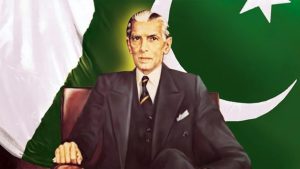
Muhammad Ali Jinnah, known as the “Father of the Nation,” was the driving force behind the creation of Pakistan. As the leader of the All-India Muslim League, he played a pivotal role in establishing a separate nation for Muslims in the Indian subcontinent.

Benazir Bhutto

Benazir Bhutto, the first female Prime Minister of Pakistan and the Muslim world, was a trailblazer in the political arena. Her leadership and vision for a democratic Pakistan continue to inspire many.

Literary Figures

Faiz Ahmed Faiz

Faiz Ahmed Faiz was a renowned Urdu poet whose works focus on themes of love, beauty, and resistance. His poetry has been celebrated for its lyrical beauty and profound social commentary.

Bapsi Sidhwa

Bapsi Sidhwa is an acclaimed novelist whose works explore themes of identity, gender, and cultural conflict. Her notable novels include “The Pakistani Bride” and “Ice-Candy-Man” (published as “Cracking India” in the U.S.).

Sports Icons

Imran Khan

Imran Khan, a legendary cricketer, led Pakistan to its first Cricket World Cup victory in 1992. Known for his leadership and charisma, he later transitioned into politics and became the Prime Minister of Pakistan in 2018.

Jahangir Khan

Jahangir Khan, one of the greatest squash players in history, dominated the sport during the 1980s. His incredible winning streak and numerous world titles have made him a sporting legend.

Arts and Entertainment

Nusrat Fateh Ali Khan

Nusrat Fateh Ali Khan was a world-renowned Qawwali singer who introduced Sufi music to global audiences. His powerful voice and soulful performances have left a lasting legacy in the world of music.

Malala Yousafzai

Though more known for her activism, Malala Yousafzai has become an influential figure in both education and global discourse. As the youngest Nobel Prize laureate, she continues to advocate for girls’ education worldwide.

Science and Technology

Dr. Abdus Salam

Dr. Abdus Salam was a theoretical physicist who won the Nobel Prize in Physics in 1979 for his contribution to electroweak unification. His work has been fundamental to the field of theoretical physics.

Conclusion

The famous personalities of Pakistan have excelled in a wide range of fields, each contributing uniquely to the country’s legacy. Their achievements not only reflect their individual talents and hard work but also highlight the potential and promise of Pakistan as a nation.

Women in Syria: Struggles and Achievements

knowaboutbullying.com – Women in Syria have long played an integral role in the country’s social, economic, and cultural fabric. Despite facing significant challenges, including conflict, displacement, and societal constraints, Syrian women have demonstrated remarkable resilience and strength. This article explores the struggles and achievements of women in Syria, highlighting their contributions and the ongoing efforts to improve their rights and opportunities.

Historical Context and Societal Roles

Traditionally, Syrian women have been active participants in their communities, balancing roles as caregivers, educators, and workers. Over the years, women have made strides in education and employment, contributing significantly to the country’s development. However, cultural norms and legal frameworks have often limited their full participation in public life, creating barriers to gender equality.

Challenges Amidst Conflict

The Syrian conflict, which began in 2011, has exacerbated the challenges faced by women in Syria. The war has resulted in widespread displacement, with millions of women and children forced to flee their homes. Many women have become the primary breadwinners for their families, taking on additional responsibilities in the face of economic hardship.

Gender-based violence, including early marriage and exploitation, has increased during the conflict, posing further threats to women’s safety and well-being. Access to education and healthcare has also been severely disrupted, limiting opportunities for women and girls to pursue their aspirations.

Achievements and Resilience

Despite these challenges, Syrian women have shown extraordinary resilience and adaptability. Many have taken on leadership roles in their communities, advocating for peace and social change. Women-led organizations and initiatives have emerged, focusing on issues such as education, healthcare, and women’s rights.

In areas where security permits, women have continued to pursue education and professional careers, contributing to various fields such as healthcare, education, and business. Their achievements serve as a testament to their determination and potential to drive positive change in society.

Efforts Toward Empowerment and Equality

Numerous efforts are underway to empower Syrian women and promote gender equality. International organizations, NGOs, and local groups are working to provide education, vocational training, and support services to women and girls affected by the conflict. These programs aim to equip women with the skills and resources needed to rebuild their lives and contribute to their communities.

Legal reforms and advocacy efforts are also crucial in promoting women’s rights and addressing gender-based violence. Encouraging greater representation of women in decision-making processes and peacebuilding initiatives is essential for creating a more inclusive and equitable society.

Conclusion

Women in Syria have faced immense struggles but have also achieved significant milestones in the face of adversity. Their resilience and contributions are vital to the country’s recovery and future development. By supporting women’s empowerment and promoting gender equality, Syria can harness the full potential of its female population, leading to a more just and prosperous society for all.

Kuala Lumpur: A Skyline of Modernity

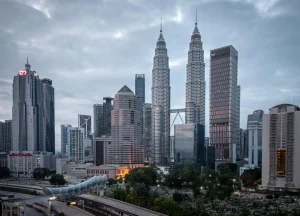
knowaboutbullying.com – Kuala Lumpur, the vibrant capital city of Malaysia, is a testament to the country’s rapid development and modernization. Known for its iconic skyline, which seamlessly blends cutting-edge architecture with time-honored traditions, Kuala Lumpur stands as a beacon of progress in Southeast Asia.

The Iconic Petronas Twin Towers

At the heart of Kuala Lumpur’s skyline are the Petronas Twin Towers, once the tallest buildings in the world. These twin giants symbolize Malaysia’s ambitions and its emergence as a global player. Designed by Argentine architect César Pelli, the towers are a blend of Islamic design motifs and state-of-the-art engineering, standing at an impressive 452 meters.

Architectural Marvels Beyond the Towers

While the Petronas Twin Towers are the most recognized feature, Kuala Lumpur’s skyline is dotted with numerous architectural marvels. The Kuala Lumpur Tower, with its revolving restaurant, offers panoramic views of the city. The sleek skyscrapers that line the city’s central business district showcase a variety of architectural styles, from modernist to postmodernist, reflecting the diverse influences that have shaped the city.

A City of Contrasts

What makes Kuala Lumpur unique is its ability to harmonize modernity with tradition. Amidst the towering skyscrapers, one can find historic landmarks such as the Sultan Abdul Samad Building, with its Moorish architecture, and the Jamek Mosque, one of the oldest mosques in Kuala Lumpur. These structures serve as a reminder of the city’s rich history and cultural heritage.

The Pulse of the City

Beyond its architectural wonders, Kuala Lumpur is a bustling metropolis that offers a vibrant cultural scene, delectable food, and a diverse population. The city is a melting pot of cultures, with Malay, Chinese, Indian, and indigenous communities living side by side, contributing to a rich tapestry of traditions and cuisines.

Conclusion

Kuala Lumpur’s skyline is more than just a collection of tall buildings; it is a symbol of the city’s dynamic growth and its vision for the future. As the city continues to expand and innovate, it remains rooted in its cultural identity, making it a fascinating destination for travelers and a proud home for its residents.

Kamboja Menghadapi Krisis Gizi di Kalangan Anak-anak

knowaboutbullyinghttps://www.renaijelutong.com/ Kamboja saat ini sedang menghadapi krisis gizi yang serius di kalangan anak-anak, terutama di daerah pedesaan. Menurut laporan terbaru dari UNICEF, lebih dari 30% anak-anak di bawah usia lima tahun mengalami stunting (pertumbuhan terhambat), sementara sekitar 10% menderita wasting (kurus akut). Kondisi ini menempatkan masa depan generasi muda Kamboja dalam risiko besar.

Kekurangan gizi kronis tidak hanya memengaruhi pertumbuhan fisik, tetapi juga perkembangan kognitif anak-anak. Anak-anak yang kekurangan gizi di awal kehidupan berpotensi mengalami kesulitan belajar, penurunan produktivitas di masa dewasa, dan lebih rentan terhadap penyakit. Situasi ini diperparah oleh kemiskinan yang melanda sebagian besar masyarakat pedesaan di Kamboja, di mana akses terhadap makanan bergizi sangat terbatas.

Ada beberapa faktor yang berkontribusi terhadap krisis gizi di Kamboja. Salah satunya adalah ketidakstabilan ekonomi akibat dampak pandemi COVID-19, yang memperburuk situasi pangan dan mempengaruhi pendapatan banyak keluarga. Selain itu, perubahan iklim dan bencana alam, seperti banjir dan kekeringan, juga telah merusak hasil pertanian dan mengurangi pasokan makanan.

“Ketidakmampuan keluarga untuk menyediakan makanan bergizi bagi anak-anak mereka menjadi tantangan besar. Banyak keluarga hidup dalam kemiskinan, dan pilihan makanan mereka sering terbatas pada karbohidrat murah seperti nasi, tanpa cukup protein atau sayuran yang dibutuhkan untuk pertumbuhan sehat,” kata Dr. Sophal, seorang pakar kesehatan masyarakat di Kamboja.

kamboja-menghadapi-krisis-gizi-di-kalangan-anak-anak

Pemerintah Kamboja, bekerja sama dengan organisasi internasional seperti UNICEF dan World Food Programme (WFP), telah mengambil langkah-langkah untuk menangani krisis ini. Mereka berfokus pada program peningkatan gizi, termasuk distribusi makanan tambahan untuk anak-anak yang kekurangan gizi dan peningkatan kesadaran tentang pentingnya nutrisi di kalangan ibu.

Namun, meskipun upaya tersebut telah menunjukkan hasil positif, tantangan tetap ada. Banyak daerah terpencil sulit dijangkau, dan kesadaran masyarakat tentang pentingnya gizi masih rendah. Selain itu, akses ke air bersih dan layanan kesehatan yang memadai juga menjadi masalah di banyak wilayah pedesaan.

“Jika masalah ini tidak ditangani dengan serius, kita akan melihat dampak jangka panjang yang merugikan bagi Kamboja. Anak-anak yang saat ini kekurangan gizi akan tumbuh menjadi generasi yang tidak mampu bersaing dalam pasar kerja global,” tambah Dr. Sophal.

Dalam menghadapi krisis ini, dukungan internasional sangat diperlukan. Bantuan dari komunitas global, baik melalui donasi makanan, program kesehatan, maupun edukasi gizi, sangat penting untuk membantu Kamboja mengatasi masalah ini.

kamboja-menghadapi-krisis-gizi-di-kalangan-anak-anak

“Kita tidak bisa membiarkan anak-anak tumbuh dalam keadaan kekurangan gizi. Ini adalah krisis yang memerlukan perhatian global,” ujar perwakilan UNICEF di Kamboja.

Dengan meningkatnya perhatian dan upaya kolektif dari berbagai pihak, diharapkan Kamboja dapat mengatasi krisis gizi ini dan memberikan masa depan yang lebih baik bagi generasi mendatang.

Krisis gizi di kalangan anak-anak Kamboja adalah masalah yang memerlukan perhatian segera. Dukungan pemerintah, organisasi internasional, dan komunitas global sangat dibutuhkan untuk mengatasi masalah ini. Tanpa intervensi yang tepat, masa depan ribuan anak-anak Kamboja bisa berada dalam bahaya. Sebuah langkah besar harus diambil untuk memastikan setiap anak Kamboja memiliki kesempatan tumbuh sehat dan berkontribusi bagi kemajuan negaranya.

The History of Laos: Lan Xang – Lao People’s Democratic Republic

knowaboutbullying.com – Laos, a landlocked country in Southeast Asia, boasts a rich history marked by periods of unification and division, colonialism, and eventual independence. Its past is deeply rooted in the Kingdom of Lan Xang, which laid the foundation for the modern-day Lao People’s Democratic Republic (LPDR). This article traces the history of Laos from the establishment of the Lan Xang kingdom to the formation of the LPDR.

The Kingdom of Lan Xang (1353–1707)

The Kingdom of Lan Xang, often referred to as the “Land of a Million Elephants,” was founded in 1353 by King Fa Ngum. It was one of the largest kingdoms in Southeast Asia, encompassing much of what is now Laos and extending its influence into present-day Thailand and Cambodia. Under Fa Ngum’s leadership, Lan Xang became a powerful and influential state, establishing Buddhism as the state religion and fostering cultural and economic growth. The kingdom’s capital was initially at Luang Prabang before moving to Vientiane.

The Golden Age and Decline

Lan Xang experienced a golden age during the 16th century under King Setthathirath, who moved the capital to Vientiane and constructed numerous temples, including the famous That Luang. However, the kingdom faced internal strife and external threats, which led to its decline. The eventual division of Lan Xang in 1707 into three separate kingdoms—Luang Prabang, Vientiane, and Champasak—marked the end of a unified Lan Xang.

Colonial Era and Path to Independence

In the late 19th century, Laos became a part of French Indochina after succumbing to French colonial forces. The French introduced infrastructure and educational reforms but also exploited the country’s resources, which led to economic imbalances. During World War II, Laos experienced brief Japanese occupation but was returned to French control after the war.

Struggle for Independence

The post-war period saw growing nationalist sentiment and the rise of the Lao Issara (Free Laos) movement. However, it was the Lao People’s Revolutionary Party (LPRP), with support from the communist Pathet Lao, that played a crucial role in the independence struggle. After years of conflict and negotiation, Laos gained full independence from France in 1953, although the country remained embroiled in internal conflict among royalist, neutralist, and communist factions.

Formation of the Lao People’s Democratic Republic

The struggle for power culminated in the Pathet Lao’s victory in 1975, leading to the establishment of the Lao People’s Democratic Republic on December 2, 1975. The monarchy was abolished, and Prince Souphanouvong became the first president, with Kaysone Phomvihane as the prime minister. The new government aligned itself closely with communist states, implementing socialist reforms and policies.

Modern Developments

Since the establishment of the LPDR, Laos has experienced gradual economic reforms, moving towards a more market-oriented economy while maintaining a single-party socialist system. The country has also sought to improve international relations and integrate into regional organizations such as ASEAN.

Conclusion

The history of Laos is a testament to its resilience and adaptability. From the grandeur of Lan Xang to the challenges of colonialism and the eventual establishment of the Lao People’s Democratic Republic, Laos continues to navigate its path in the modern world. The country’s rich cultural heritage and strategic geopolitical position make it an important player in Southeast Asia’s political and economic landscape.

The Vatican: From Ancient Rome to Modern Times

knowaboutbullying.com – The Vatican, an independent city-state nestled within Rome, Italy, is a place of profound historical, cultural, and religious significance. It is the spiritual and administrative center of the Roman Catholic Church, led by the Pope, who is considered the successor of Saint Peter, one of Jesus Christ’s apostles. This article traces the journey of the Vatican from its ancient Roman origins to its status as a modern sovereign entity, exploring the key events and figures that have shaped its history.

The Ancient Origins

The story of the Vatican begins in ancient Rome, where it was believed that Saint Peter was martyred and buried on the Vatican Hill. In the 4th century AD, Emperor Constantine the Great commissioned the construction of the Old St. Peter’s Basilica over the site of Saint Peter’s tomb, marking the beginning of the Vatican’s significance as a Christian pilgrimage site.

The Papal States

Over the centuries, the influence of the Vatican expanded beyond religious matters, leading to the establishment of the Papal States, a significant territorial and political entity in Italy. The Papal States were ruled by the Popes, who wielded both spiritual and temporal power, often engaging in complex political alliances and conflicts with other European powers.

The Renaissance and the Vatican’s Cultural Flourishing

The Vatican’s influence reached new heights during the Renaissance, a period marked by extraordinary artistic and architectural achievements. Popes like Julius II and Leo X were great patrons of the arts, commissioning works from renowned artists such as Michelangelo and Raphael. The Sistine Chapel and the Vatican Museums are enduring symbols of this golden age, showcasing the Vatican’s role as a center of cultural excellence.

The Unification of Italy and the Loss of the Papal States

The 19th century brought significant changes to the Vatican’s status. The Risorgimento, the movement for the unification of Italy, led to the gradual loss of the Papal States. In 1870, Rome was annexed by the Kingdom of Italy, and the Pope found himself confined to the Vatican, leading to a period known as the “Roman Question.”

The Lateran Treaty and the Birth of Vatican City

The “Roman Question” was resolved in 1929 with the signing of the Lateran Treaty between the Kingdom of Italy and the Holy See. This treaty established the Vatican City State, recognizing its sovereignty and independence. The Vatican City, with its own government, flag, and postal system, became the smallest independent state in the world.

The Second Vatican Council and Modern Reforms

The 20th century saw the Catholic Church undergo significant reforms, most notably during the Second Vatican Council (1962-1965). Initiated by Pope John XXIII and continued by Pope Paul VI, the council aimed to update the Church’s practices and teachings to meet the challenges of the modern world. It introduced changes such as the use of vernacular languages in the Mass and a greater emphasis on ecumenism and social justice.

The Vatican in the 21st Century

In recent years, the Vatican has continued to navigate the complexities of the modern world, addressing issues such as globalization, environmental concerns, and interfaith dialogue. Popes John Paul II, Benedict XVI, and Francis have each left their mark on the Vatican, guiding the Church through the challenges and opportunities of the 21st century.

Conclusion

The journey of the Vatican from ancient Rome to modern times is a testament to the enduring power of faith and the resilience of an institution that has adapted to the changing world while preserving its core beliefs and traditions. As the spiritual and administrative center of the Roman Catholic Church, the Vatican continues to play a pivotal role in the lives of millions of Catholics worldwide, embodying the rich history and profound faith that have defined its existence for centuries.

Russia: The World’s Largest Country by Area

knowaboutbullying.com – Russia, officially known as the Russian Federation, is the largest country in the world by land area, spanning over 17 million square kilometers. This vast territory encompasses diverse landscapes, from the frozen tundra of Siberia to the rolling plains of European Russia. Here is an in-depth look at Russia’s geographical, historical, and cultural significance.

Geographical Overview

Russia is a transcontinental country, straddling both Europe and Asia. It is the largest country in the world by land area, covering more than 17 million square kilometers, which is approximately 11.4% of the Earth’s land surface. The country’s expansive territory includes a wide variety of geographical features, including vast plains, mountain ranges, and extensive forests.

Key Geographical Features

  • Size and Location: Russia spans 11 time zones and stretches from the Baltic Sea in the west to the Pacific Ocean in the east. It borders 14 countries and has a coastline along the Arctic and Pacific Oceans.
  • Climate: The climate varies significantly across the country, ranging from arctic and subarctic in the north to humid continental in the west and semi-arid in the east.
  • Natural Resources: Russia is rich in natural resources, including oil, natural gas, coal, and precious metals. It is the world’s largest producer of oil and the second-largest producer of natural gas.

Historical Background

Russia has a rich and complex history, shaped by various empires and political systems. Here are some key points in its historical development:

Early History and Empire

  • Kievan Rus’: The early history of Russia is linked to the Kievan Rus’, a loose federation of East Slavic tribes that emerged in the 9th century.
  • Muscovite Tsardom: In the 16th century, the Muscovite Tsardom was established, which later became the Russian Empire under Peter the Great in the early 18th century.
  • Soviet Era: The Russian Empire was succeeded by the Soviet Union in 1917, following the Bolshevik Revolution. The Soviet Union was a superpower during the Cold War, rivaling the United States.

Modern Russia

  • Post-Soviet Era: After the dissolution of the Soviet Union in 1991, Russia emerged as an independent state. It inherited much of the Soviet Union’s military and economic infrastructure.
  • Current Status: Today, Russia is a federal semi-presidential republic, with a strong central government. It is a permanent member of the United Nations Security Council and a member of the BRICS group of countries.

Cultural and Demographic Profile

Russia is a multi-ethnic and multicultural country, with a population of over 144 million people. The majority of the population is Russian, but there are also numerous other ethnic groups, including Tatars, Ukrainians, and Bashkirs.

Demographics

  • Population Distribution: Despite its vast size, Russia’s population is concentrated in its European part, particularly in the Central Federal District, which includes Moscow and St. Petersburg.
  • Language and Religion: The official language is Russian, and the predominant religion is Russian Orthodox Christianity.

Cultural Heritage

Russia has a rich cultural heritage, known for its contributions to literature, music, and the arts. Notable figures include writers like Leo Tolstoy and Fyodor Dostoevsky, composers like Pyotr Ilyich Tchaikovsky, and artists like Wassily Kandinsky.

Economic and Political Landscape

Russia’s economy is heavily reliant on its natural resources, particularly oil and natural gas. It is a major player in the global energy market and has a significant influence on international politics due to its vast resources and military capabilities.

Political Structure

  • Government: Russia is a federal semi-presidential republic, with the President as the head of state and the Prime Minister as the head of government. The country is divided into federal subjects, including republics, krais, oblasts, and autonomous okrugs.
  • Economy: The economy is diverse, with significant sectors in energy, manufacturing, and services. However, it faces challenges such as economic sanctions and a need for diversification.

Conclusion

Russia’s vast size, rich history, and diverse culture make it a unique and influential country on the global stage. From its expansive landscapes to its significant contributions to world culture, Russia continues to play a crucial role in international affairs and global economics.

Luxembourg’s Arts & Culture: A Rich Heritage

knowaboutbullying.com – Luxembourg, a small country with a population of just over 600,000, boasts a vibrant and diverse arts and culture scene that belies its size. This rich heritage is a testament to the country’s historical influences, its commitment to preserving tradition, and its openness to innovation. From its architectural marvels to its thriving contemporary art scene, Luxembourg offers a unique cultural experience that reflects its position at the crossroads of European history and modernity.

Historical Architecture: A Window into the Past

Luxembourg’s historical architecture is a key element of its cultural heritage. The city of Luxembourg, a UNESCO World Heritage site, is renowned for its fortifications, which were built over centuries and have been remarkably preserved. The Old Quarter, with its narrow streets, medieval buildings, and the impressive Palace of the Grand Dukes, offers a glimpse into the country’s past.

The Bock Casemates

One of the most striking architectural features is the Bock Casemates, a network of underground galleries and tunnels that were part of the city’s defensive system. Today, they serve as a museum and a symbol of Luxembourg’s resilience and strategic importance throughout history.

Museums and Galleries: Preserving and Celebrating Art

Luxembourg is home to a variety of museums and galleries that showcase its rich artistic heritage and contemporary creativity.

The National Museum of History and Art

The National Museum of History and Art (MNHA) is a cornerstone of Luxembourg’s cultural landscape. It houses an extensive collection that spans from ancient to modern times, including works by European masters and a significant collection of medieval art.

The Luxembourg City History Museum

The Luxembourg City History Museum, located in the historic Abbey of Neumünster, explores the city’s past through interactive exhibits and temporary displays. It offers a deeper understanding of Luxembourg’s social and cultural development.

Contemporary Art Scene

Luxembourg’s contemporary art scene is vibrant and dynamic, with numerous galleries and exhibition spaces dedicated to showcasing the work of local and international artists. The Mudam Luxembourg – Musée d’Art Moderne Grand-Duc Jean is a leading institution in this field, featuring cutting-edge exhibitions and a permanent collection that highlights the evolution of modern and contemporary art.

Music and Performance Arts: A Melting Pot of Talent

Music and performance arts are integral to Luxembourg’s cultural identity. The country has a rich tradition of classical music, with the Philharmonie Luxembourg serving as a premier venue for orchestral performances and international concerts.

The Luxembourg Philharmonic Orchestra

The Luxembourg Philharmonic Orchestra, one of the country’s leading cultural institutions, performs a wide range of classical repertoire and collaborates with renowned conductors and soloists from around the world.

Theater and Dance

Luxembourg’s theater and dance scene is equally vibrant, with several theaters and dance companies offering a diverse program of performances. The Grand Théâtre de Luxembourg and the Théâtre des Capucins are key venues for drama, opera, and ballet, while the TanzLuzern festival showcases contemporary dance from Luxembourg and abroad.

Literature and Language: A Unique Linguistic Landscape

Luxembourg’s literary tradition is characterized by its multilingualism, with works written in Luxembourgish, French, and German. The country has a strong tradition of literary festivals and awards that celebrate its writers and poets.

The Luxembourgish Language

The Luxembourgish language, a Moselle Franconian dialect, is a unique aspect of the country’s cultural identity. It is widely spoken and used in literature, music, and everyday communication, alongside French and German.

Conclusion

Luxembourg’s arts and culture scene is a reflection of its rich heritage and its forward-looking spirit. From its historical architecture to its vibrant contemporary art scene, from its music and performance arts to its literature and language, Luxembourg offers a diverse and engaging cultural experience. This cultural richness is not only a source of pride for its citizens but also an attraction for visitors who seek to immerse themselves in the country’s unique cultural tapestry. As Luxembourg continues to celebrate and promote its arts and culture, it reinforces its position as a cultural hub in the heart of Europe.

The Role of Singapore in International Relations

knowaboutbullying.com – Singapore, a small but strategically significant nation, plays a pivotal role in international relations. Despite its size, Singapore’s influence extends far beyond its borders, making it a key player in regional and global diplomacy. This article explores how Singapore navigates the complexities of international relations, fostering peace, stability, and cooperation on the global stage.

Singapore’s Diplomatic Efforts

Singapore’s diplomatic efforts are multifaceted, encompassing both regional and global initiatives. The country’s participation in high-profile events like the Shangri-La Dialogue underscores its commitment to maintaining peace and security in the Asia-Pacific region. Through such platforms, Singapore actively engages with other nations to address common challenges and promote mutual understanding.

Regional Influence

As a founding member of ASEAN, Singapore plays a crucial role in shaping the organization’s policies and initiatives. The country’s active involvement in ASEAN demonstrates its commitment to regional stability and cooperation. Singapore’s diplomatic strategies are guided by conservative pragmatism, which is essential given its geographical constraints and heavy dependence on international trade.

Global Hub and Multilateralism

Singapore’s status as a global hub is further cemented by its active participation in multilateral institutions such as APEC and the United Nations. The country advocates for multilateralism, recognizing the importance of global cooperation in addressing transnational issues like climate change and pandemics. Singapore’s foreign policy is designed to foster global cooperation and uphold the rules-based international order.

South China Sea and Maritime Security

In the South China Sea, Singapore’s role as an effective coordinator and honest broker is particularly noteworthy. The country’s commitment to upholding the rule of law and promoting peaceful resolution of disputes in the region is a testament to its diplomatic acumen. Singapore’s approach to maritime security is characterized by a balance between national interests and regional stability.

Challenges and Strategic Navigation

Despite its successes, Singapore faces several geopolitical challenges. The country’s strategic foreign policy is designed to navigate these challenges, ensuring its continued relevance and influence in international relations. Singapore’s leaders, including Prime Minister Lee Hsien Loong, have outlined the need to adapt to changing global dynamics while maintaining core principles of diplomacy and cooperation.

Conclusion

Singapore’s role in international relations is both significant and multifaceted. From its active participation in regional organizations like ASEAN to its advocacy for multilateralism on the global stage, Singapore demonstrates a nuanced and strategic approach to diplomacy. As a global hub and a champion of the rules-based international order, Singapore continues to play a vital role in fostering peace, stability, and cooperation in an increasingly interconnected world.

The Title of Empress in Russian History

knowaboutbullying.com – The title of Empress (Императрица) in Russia has a rich history, reflecting the country’s complex political and social evolution. This title has been associated with both female rulers and the consorts of emperors, each of whom played a significant role in shaping the Russian Empire.

The Role of Empress in Russian History

The title of Empress in Russia has been a prominent feature in the country’s imperial past. It was not merely a title of honor but a position that carried significant power and influence. Empresses in Russia have been both sovereign rulers in their own right and the spouses of emperors, each contributing uniquely to the governance and cultural development of the nation.

Empresses as Sovereign Rulers

Several empresses in Russian history have ruled the country as sovereigns, demonstrating their capability to lead and govern. Notable among these are Catherine the Great (Екатерина Великая), who ruled from 1762 to 1796, and Elizabeth (Елизавета Петровна), who reigned from 1741 to 1761. These empresses played pivotal roles in the expansion and modernization of the Russian Empire, leaving indelible marks on the country’s political landscape.

Empresses as Consorts

The role of empress as a consort to the emperor was equally significant. These women were not merely figureheads but often played active roles in state affairs, diplomacy, and cultural patronage. Empress Maria Feodorovna (Мария Фёдоровна), for example, was known for her philanthropic efforts and contributions to the arts, reflecting the multifaceted influence empresses could wield.

The Legacy of Russian Empresses

The legacy of Russian empresses is a testament to their ability to navigate the complexities of imperial rule, whether as sovereigns or consorts. Their contributions to Russian history are varied and profound, ranging from territorial expansion and military victories to cultural patronage and social reforms.

Cultural and Social Influence

Empresses have been instrumental in the cultural and social development of Russia. Their patronage of the arts, education, and philanthropy has left a lasting impact on Russian society. The contributions of empresses like Catherine the Great to the Enlightenment and the promotion of education are particularly noteworthy.

Political and Military Achievements

The political and military achievements of Russian empresses are equally significant. Their leadership during times of war and peace has shaped the geopolitical landscape of Europe and beyond. The reigns of empresses such as Catherine the Great and Elizabeth were marked by significant territorial gains and the consolidation of Russian power.

Conclusion

The title of Empress in Russia is a reflection of the country’s imperial past and the significant roles women have played in its history. From sovereign rulers to influential consorts, Russian empresses have left a lasting legacy on the nation’s political, cultural, and social development. Their contributions remind us of the multifaceted nature of power and the impact of strong leadership, regardless of gender.

Culture and Traditions of the Solomon Islands

knowaboutbullying.com – The Solomon Islands, a nation of over 900 islands in the South Pacific, boast a rich and diverse cultural heritage. This archipelago, part of the Melanesian region, has a history that spans thousands of years, with its culture deeply rooted in traditional customs, practices, and social norms. This article explores the unique culture and traditions of the Solomon Islands, highlighting their significance in the modern context.

Historical Background

The Solomon Islands have been inhabited for over 30,000 years, with evidence of human settlement dating back to the Lapita culture. The islands were first discovered by Europeans in the 16th century, and later colonized by various powers, including the Spanish, Dutch, and British. The country gained independence in 1978, becoming a member of the Commonwealth.

Traditional Customs and Practices

Kastom

Kastom, a term derived from the English word “custom,” is central to the Solomon Islands’ cultural identity. It encompasses traditional customs, practices, and social norms that are highly valued and practiced across the islands. The Kastom Gaden Association plays a significant role in preserving and promoting these traditions.

Respect for Elders

Respect for elders is a fundamental aspect of Solomon Islands’ culture. Elders are revered for their wisdom and experience, and their guidance is sought in both personal and community matters. This respect is evident in daily interactions and is a cornerstone of the social fabric.

Traditional Weddings

Traditional weddings in the Solomon Islands are elaborate affairs that involve the entire community. The process begins with the father of the groom selecting a bride, followed by the exchange of gifts such as pigs or shell money. The wedding ceremony is a communal event, often involving feasts and traditional dances.

Shark Worship

The Solomon Islanders have a unique tradition of shark worship. Sharks are considered sacred and are believed to protect the islands. The annual shark calling ceremony involves offerings to the sharks, which are believed to bring good fortune and protection to the community.

Modern Cultural Practices

Sports

Sports play a significant role in the culture of the Solomon Islands. Football, rugby, and volleyball are popular, and the country has produced notable athletes who have represented the nation in international competitions.

Music and Dance

Music and dance are integral to Solomon Islands’ cultural expression. Traditional dances, such as the war dance, are performed during festivals and ceremonies. The music is often accompanied by traditional instruments like drums and bamboo flutes1.

Literature and Arts

The Solomon Islands have a growing literary and artistic scene. Notable figures include painter Ake Lianga and musician Sharzy, who have contributed significantly to the cultural landscape of the country.

Culinary Traditions

The cuisine of the Solomon Islands is a reflection of its rich natural resources. The diet is primarily based on fresh seafood, taro, yam, and tropical fruits. Traditional cooking methods include roasting over an open fire and steaming in banana leaves. The use of local ingredients ensures a unique and nutritious dining experience.

Conclusion

The culture and traditions of the Solomon Islands are a testament to the resilience and adaptability of its people. Despite the influences of modernity and globalization, the Solomon Islanders have managed to preserve their traditional customs and practices. This blend of old and new continues to shape the vibrant and diverse cultural landscape of the Solomon Islands.

The Impact of the Civil War on Sierra Leone

knowaboutbullying.com – The Sierra Leone Civil War, which lasted from 1991 to 2002, had profound and lasting effects on the country. Initiated by the Revolutionary United Front (RUF) with support from Liberian dictator Charles Taylor’s National Patriotic Front of Liberia (NPFL), the conflict resulted in significant human and economic losses. This article explores the various impacts of the civil war on Sierra Leone, including its social, economic, and political repercussions.

Human Toll

The civil war in Sierra Leone was marked by extreme violence and brutality. It resulted in the deaths of between 50,000 to 70,000 people, with an estimated 2.5 million individuals displaced, which is more than a third of the country’s population at the time. The conflict also saw the widespread use of child soldiers, with many children under the age of 18 being forcibly recruited into armed groups. The trauma and loss experienced during this period have left deep scars on the Sierra Leonean society.

Economic Devastation

The economic impact of the civil war was catastrophic. The war destroyed much of Sierra Leone’s infrastructure, including its health systems and educational institutions. The mining sector, which is a crucial part of Sierra Leone’s economy, was severely affected. The war led to a significant decline in diamond exports, which are a major source of revenue for the country. The destruction of infrastructure and the displacement of people also hindered agricultural production, leading to food shortages and economic instability.

Political Instability

The civil war exacerbated political instability in Sierra Leone. The conflict saw multiple coups and changes in government, with the military playing a significant role in politics. The war also highlighted the deep ethnic and regional divisions within the country, which were exploited by various factions to fuel the conflict. The political landscape remained volatile even after the war, with sporadic violence and challenges in conducting peaceful elections.

Post-War Reconstruction

The post-war period has been marked by efforts to rebuild and stabilize Sierra Leone. The country received significant international support, including peacekeeping missions and aid from the United Nations and other international organizations. The government has focused on rebuilding infrastructure, promoting economic growth, and addressing the social and psychological needs of war-affected communities. Despite these efforts, the legacy of the war continues to influence Sierra Leone’s development trajectory.

Conclusion

The Sierra Leone Civil War had far-reaching consequences for the country, affecting its social fabric, economic stability, and political landscape. The human toll, economic devastation, and political instability created by the conflict have left lasting impacts. While significant progress has been made in post-war reconstruction, the challenges of rebuilding a nation from the ashes of such a devastating conflict remain substantial. Sierra Leone’s journey towards recovery and development continues to be a testament to the resilience of its people and the importance of international support in the face of such adversity.

Micronesia’s Unique Geography & Biodiversity

knowaboutbullying.com – Micronesia, a region in the western Pacific Ocean, is renowned for its unique geography and rich biodiversity. This article explores the distinctive features of Micronesia’s landscape and the diverse array of species that call it home.

Geography of Micronesia

Micronesia encompasses a vast area of the western Pacific, comprising thousands of small islands and atolls. The region is divided into four main island groups: the Caroline Islands, the Marshall Islands, the Mariana Islands, and the Gilbert Islands. These islands are characterized by their coral reefs, volcanic peaks, and lush tropical forests, creating a diverse range of habitats that support a wide variety of flora and fauna.

The islands of Micronesia are part of the Polynesia-Micronesia biodiversity hotspot, which covers over 4,500 islands and spans an area of 46,315 square kilometers. This hotspot is defined by its high levels of endemism, with many species found nowhere else on Earth.

Biodiversity in Micronesia

Flora

Micronesia is a treasure trove of plant biodiversity. The region is home to numerous endemic plant species, many of which are found only on specific islands. The New York Botanical Garden highlights the vast but poorly explored plant biodiversity in Micronesia, noting that many unique species are yet to be discovered. The Polynesia-Micronesia hotspot is known for having at least 1,500 endemic vascular plant species, underscoring the region’s importance in global plant conservation efforts.

Fauna

The animal life in Micronesia is equally diverse and includes a variety of endemic species. The region is home to numerous bird species, including the Micronesian kingfisher and the Micronesian megapode, both of which are found only in this part of the world. Marine life is also abundant, with coral reefs supporting a rich array of fish, crustaceans, and other marine organisms.

Threats to Biodiversity

Despite its rich biodiversity, Micronesia faces significant threats to its ecosystems. Invasive species, such as non-native plants and animals, pose a major challenge to the region’s native flora and fauna. These invaders can outcompete native species for resources, leading to a decline in biodiversity. Additionally, climate change and human activities, such as deforestation and pollution, further exacerbate the threats to Micronesia’s unique ecosystems.

Conservation Efforts

Recognizing the importance of preserving its biodiversity, the Federated States of Micronesia (FSM) has developed several strategies and action plans. The FSM’s National Biodiversity Strategy and Action Plan (NBSAP) aims to conserve and sustainably use the country’s biological resources. The blueprint for conserving biodiversity in the FSM emphasizes the need for extensive, diverse, and high-quality natural resources.

Collaborative research methodologies and spatial data analysis are being employed to support multi-scale marine and terrestrial biodiversity conservation efforts in the region. These initiatives are crucial for understanding and protecting the unique ecosystems of Micronesia.

Conclusion

Micronesia’s unique geography and rich biodiversity make it a critical region for global conservation efforts. The islands’ diverse habitats support a wide array of endemic species, many of which are found nowhere else on Earth. While the region faces significant threats from invasive species and human activities, ongoing conservation efforts offer hope for the preservation of Micronesia’s natural heritage.

Kiribati: A Remote Paradise in the Pacific

knowaboutbullying.com – Nestled in the heart of the Pacific Ocean, Kiribati is a nation that epitomizes the essence of a remote paradise. Comprising 33 atolls and reef islands, this archipelagic state stretches across the equator, offering a unique blend of natural beauty, cultural richness, and a way of life that is deeply connected to the sea.

Geographical Marvels

Kiribati’s geography is as diverse as it is fascinating. The country is divided into three main island groups: the Gilbert Islands, the Phoenix Islands, and the Line Islands. Each group has its own distinct characteristics, from the vibrant coral reefs teeming with marine life to the serene lagoons that reflect the azure sky. The most notable of these is the Phoenix Islands Protected Area, one of the world’s largest marine protected areas, which serves as a sanctuary for endangered species and a testament to Kiribati’s commitment to conservation.

Cultural Tapestry

The people of Kiribati, known as I-Kiribati, have a rich cultural heritage that is deeply intertwined with their environment. Traditional practices such as fishing, weaving, and navigation are not just means of survival but are also expressions of their cultural identity. The vibrant festivals, like the Te Maeva Nui, celebrate the nation’s history and culture, offering visitors a glimpse into the life of the islands.

Challenges and Resilience

Despite its idyllic setting, Kiribati faces significant challenges, particularly from climate change. Rising sea levels threaten the very existence of these low-lying islands, prompting the government and people to seek innovative solutions for survival. From building sea walls to exploring options for relocation, the resilience of the I-Kiribati people in the face of adversity is a powerful narrative of hope and adaptation.

Sustainable Tourism

Kiribati is increasingly becoming a destination for eco-tourists seeking an authentic experience of the Pacific. The government and local communities are working together to develop sustainable tourism practices that respect the environment and support the local economy. From snorkeling in pristine waters to exploring ancient archaeological sites, visitors can enjoy the islands’ beauty while contributing to their preservation.

Conclusion

Kiribati stands as a beacon of natural wonder and cultural richness in the vast Pacific Ocean. Its remote location and the warm hospitality of its people make it a unique destination for those seeking an escape from the hustle and bustle of modern life. As the nation navigates the challenges of climate change, it continues to offer a glimpse into a way of life that is both ancient and enduring. Kiribati is not just a paradise; it is a testament to the human spirit’s resilience and the beauty of our planet.

Kosovo: A Developing Country in the Balkans

knowaboutbullying.com – Kosovo, a small country nestled in the heart of the Balkans, has emerged as a unique case study in the region’s development. Despite its recent independence, declared in 2008, Kosovo has been striving to establish itself on the international stage and improve the living standards of its population. This article delves into the challenges and opportunities that Kosovo faces as it navigates the complex path of development.

Historical Context

Kosovo’s journey towards development is intricately linked with its tumultuous history. The region has been a crossroads of civilizations, leading to a rich cultural tapestry but also a legacy of conflict. The Kosovo War of 1998-1999 and the subsequent NATO intervention set the stage for Kosovo’s bid for independence. The international community’s involvement, particularly through the United Nations Interim Administration Mission in Kosovo (UNMIK) and the European Union Rule of Law Mission (EULEX), has been pivotal in shaping the country’s early years.

Economic Development

Kosovo’s economy is characterized by a young and growing population, with a significant portion of its workforce engaged in agriculture. However, the country’s main economic driver is its mining sector, particularly lignite coal. The government has been working to diversify the economy, attract foreign investment, and develop the private sector. Infrastructure projects, such as the construction of new highways and the expansion of the capital’s airport, are aimed at improving connectivity and stimulating economic growth.

Social Challenges

Kosovo faces several social challenges, including high unemployment rates, particularly among the youth, and a significant informal economy. The education system is undergoing reforms to align with European standards, aiming to produce a more skilled workforce. Additionally, the country’s ethnic diversity, with significant Serbian and Roma minorities, presents both challenges and opportunities for social cohesion and inclusive development.

Political Landscape

The political situation in Kosovo is complex, with ongoing negotiations with Serbia over mutual recognition and the status of northern Kosovo, which has a majority Serb population. Internal political dynamics are also influenced by the presence of international actors and the need for stability to foster development.

Conclusion

Kosovo’s path to development is fraught with challenges, yet it is also filled with potential. As the youngest country in Europe, it has the opportunity to learn from the experiences of its neighbors and implement innovative solutions to its problems. With continued international support and a commitment to good governance, Kosovo can overcome its obstacles and secure a prosperous future for its citizens.

The Crossing: A Story of East Timor by Luís Cardoso

knowaboutbullying.com – “The Crossing: A Story of East Timor” by Luís Cardoso is a deeply personal and evocative memoir that delves into the author’s journey from childhood to adulthood, set against the backdrop of East Timor’s tumultuous history. Published in 1997 by Dom Quixote in Lisbon and later translated into English by Margaret Jull Costa, the book offers a unique perspective on the region’s struggles and cultural identity.

Overview

The memoir begins on the island of Atauro, where Cardoso’s childhood was immersed in the rich tapestry of Timorese folklore and the scent of the “ai-dik-funam”. As he grows, Cardoso’s narrative transitions from the serene life on the island to the complexities of adolescence in a seminary, where he grapples with his identity and the expectations placed upon him by his family and society.

Themes

“The Crossing” explores several profound themes, including the transition from childhood to adulthood, the struggle for cultural identity amidst colonialism, and the impact of political upheaval on personal lives. Cardoso’s journey is marked by his efforts to reconcile his Portuguese heritage with his Timorese roots, a challenge exacerbated by the colonial and post-colonial realities of East Timor.

Critical Reception

Critics have praised the book for its lyrical prose and the vivid portrayal of East Timor’s cultural and political landscape. The narrative is described as both informative and reflective, offering insights into the complexities of growing up in a region undergoing significant social and political changes.

Historical Context

The memoir is set against the backdrop of East Timor’s struggle for independence from Indonesia, a period marked by violence and international attention. Cardoso’s personal story is interwoven with the broader historical events, providing a human face to the political turmoil.

Conclusion

“The Crossing: A Story of East Timor” is not just a memoir; it is a testament to the resilience of the human spirit amidst adversity. Through Cardoso’s eyes, readers gain a profound understanding of the cultural and personal challenges faced by the people of East Timor. The book serves as a poignant reminder of the importance of cultural identity and the enduring strength of community in the face of historical and political upheaval.

Switzerland: A Federal Republic of Diversity

knowaboutbullying.com – Nestled in the heart of Europe, Switzerland is a country renowned for its stunning landscapes, precision timekeeping, and neutral political stance. However, beyond these well-known attributes, Switzerland is a fascinating tapestry of cultural, linguistic, and regional diversity, all united under a federal republic system. This article delves into the unique aspects that make Switzerland a model of unity in diversity.

Geographical Diversity

Switzerland’s geography is as diverse as its people. The country is divided into three main regions: the Jura mountains in the northwest, the Swiss Plateau in the center, and the Alps in the south. Each region offers distinct natural beauty and activities, from skiing in the Alps to hiking in the Jura. This geographical diversity contributes to the country’s rich tapestry of experiences and lifestyles.

Linguistic Diversity

One of the most striking features of Switzerland is its linguistic diversity. The country has four national languages: German, French, Italian, and Romansh. German is the most widely spoken, followed by French and Italian. Romansh, spoken by a small minority, is a testament to the country’s commitment to preserving linguistic heritage. This multilingualism is not just a point of pride but also a practical necessity for daily life and governance.

Cultural Diversity

Switzerland’s cultural diversity is a direct result of its linguistic and geographical variety. Each region has its own traditions, customs, and festivals. For example, the German-speaking regions celebrate Fasnacht, a carnival similar to Mardi Gras, while the French-speaking regions have their own version called Carnaval. The Italian-speaking Ticino celebrates the Lugano Festival, showcasing Italian culture and music. Despite these differences, there is a strong sense of Swiss identity that binds the country together.

Political System

Switzerland’s federal republic system is the glue that holds this diverse nation together. The country is divided into 26 cantons, each with its own government and constitution. This system of federalism ensures that regional identities and languages are preserved while allowing for a unified national government. Switzerland is also known for its direct democracy, where citizens can vote on national and cantonal issues through referendums.

Economic Strength

Despite its small size, Switzerland has a robust and diversified economy. The country is a leader in various sectors, including banking, pharmaceuticals, and chocolate production. This economic strength is a result of a stable political system, a highly skilled workforce, and a commitment to innovation. Switzerland’s economic policies are designed to balance the needs of its diverse regions, ensuring that all cantons benefit from the country’s prosperity.

Conclusion

Switzerland stands as a testament to the power of diversity. Its unique blend of cultures, languages, and landscapes, all united under a federal republic system, makes it a model of unity in diversity. As the world becomes increasingly interconnected, Switzerland’s success as a diverse and harmonious society offers valuable lessons for other nations. Whether through its political system, economic policies, or cultural traditions, Switzerland continues to demonstrate that diversity is not just a challenge to be managed but a strength to be celebrated.

A Comprehensive Tour of Ottawa: Exploring Canada’s Capital

knowaboutbullying.com – Ottawa, the capital city of Canada, is a vibrant and historic urban center located in the province of Ontario. As the seat of the federal government, it is home to numerous national monuments, museums, and institutions that reflect the country’s rich heritage and cultural diversity. This article will take you on a virtual tour of Ottawa, highlighting its most notable landmarks and attractions.

Parliament Hill – The Heart of Canadian Democracy

At the core of Ottawa’s political and cultural landscape is Parliament Hill, an iconic site that houses the Parliament of Canada. Visitors can take guided tours of the Gothic-style buildings, including the Centre Block, which is adorned with the famous Peace Tower. The Changing of the Guard ceremony, held daily during the summer, is a must-see event that showcases the country’s military traditions.

Rideau Canal – A UNESCO World Heritage Site

The Rideau Canal is not only a significant engineering feat but also a beloved recreational area for Ottawans. In the winter, it transforms into the world’s largest skating rink, offering a unique experience for ice skaters. During the warmer months, the canal is perfect for boating, walking, or cycling along its scenic pathways.

National Gallery of Canada – A Treasure Trove of Art

Art enthusiasts will find a wealth of inspiration at the National Gallery of Canada. The gallery’s impressive collection includes works by Canadian and international artists, with a special focus on Indigenous art. The striking glass and granite building itself is a masterpiece, designed by renowned architect Moshe Safdie.

ByWard Market – Ottawa’s Culinary Hub

No tour of Ottawa would be complete without a visit to the ByWard Market, a bustling district known for its fresh produce, artisanal foods, and vibrant nightlife. Whether you’re looking to sample local cheeses, pick up a craft beer, or dine at one of the many restaurants, the ByWard Market is a culinary delight.

The Canadian Museum of History – A Journey Through Time

Just across the Ottawa River in Gatineau, Quebec, the Canadian Museum of History offers a deep dive into the country’s past. With interactive exhibits and a vast collection of artifacts, the museum provides an engaging experience for all visitors, especially families.

Conclusion – Why Ottawa is a Must-Visit Destination

Ottawa is a city that seamlessly blends history, culture, and natural beauty. Whether you’re drawn to its political significance, its rich artistic offerings, or its picturesque landscapes, there’s something for everyone in Canada’s capital. A tour of Ottawa promises an enriching experience that captures the essence of this dynamic city.

The Economic Recovery of Sri Lanka Post-Conflict

knowaboutbullying.com – The end of Sri Lanka’s three-decade-long civil conflict in May 2009 marked the beginning of a challenging yet hopeful journey toward economic recovery and reconstruction. This article explores the multifaceted strategies employed by the Sri Lankan government and its international partners to rebuild the war-torn regions, revitalize the economy, and foster sustainable development.

The Immediate Aftermath of the Conflict

The cessation of hostilities brought an immediate relief to the war-affected regions, allowing for the commencement of reconstruction efforts. The government, with the support of international organizations, focused on restoring infrastructure, resettling displaced individuals, and reviving local economies.

Rebuilding Infrastructure and Services

One of the primary challenges post-conflict was the rebuilding of infrastructure and the restoration of essential services. The government invested heavily in repairing roads, bridges, and public buildings, as well as in the rehabilitation of water supply and sanitation systems. These efforts were crucial in jump-starting economic activities and improving the quality of life for the local population.

Revitalizing the Economy

The economic recovery plan focused on diversifying the economy, promoting investment, and enhancing export capabilities. Key sectors targeted for growth included tourism, manufacturing, and agriculture. The government implemented various incentives to attract both domestic and foreign investments, recognizing the importance of private sector participation in the recovery process.

The Role of International Aid and Investment

International aid played a significant role in Sri Lanka’s post-conflict recovery. Donor countries and international organizations provided financial assistance, technical expertise, and humanitarian support. Additionally, foreign direct investment (FDI) began to flow into the country, attracted by the improving security situation and the government’s pro-business policies.

Addressing Social and Economic Disparities

The recovery process also addressed the social and economic disparities exacerbated by the conflict. Programs aimed at improving education, healthcare, and employment opportunities were implemented, particularly in the war-affected areas. These initiatives were crucial in fostering reconciliation and ensuring inclusive economic growth.

Challenges and Future Prospects

Despite the progress made, Sri Lanka’s economic recovery faces several challenges, including political instability, debt sustainability, and the need for continued peace and reconciliation efforts. However, the resilience and determination of the Sri Lankan people, coupled with ongoing international support, provide a solid foundation for future prosperity.

Conclusion

The economic recovery of Sri Lanka post-conflict is a testament to the country’s resilience and the collective efforts of its government, citizens, and international partners. While challenges remain, the progress achieved to date offers a hopeful outlook for Sri Lanka’s continued development and integration into the global economy. As the nation moves forward, the lessons learned from this period will be invaluable in navigating future challenges and seizing new opportunities.

The Maldives: A Guide to Its Pristine Islands

knowaboutbullying.com – The Maldives, an archipelagic country in the Indian Ocean, is renowned for its pristine islands, crystal-clear waters, and vibrant marine life. Comprising over 1,000 coral islands, this tropical paradise is a dream destination for travelers seeking a perfect blend of luxury and natural beauty.

Geography and Climate

The Maldives is situated in the Indian Ocean, southwest of India and Sri Lanka. The country is made up of 26 atolls, which are natural coral structures, and these atolls are further divided into numerous islands. The climate is tropical, with temperatures averaging around 28-30°C (82-86°F) year-round. The dry season, from November to April, is the best time to visit due to the lower rainfall and calmer seas.

Top Islands to Visit

1. Malé

Malé, the capital of the Maldives, is a bustling city that serves as the gateway to the rest of the islands. Despite its urban nature, Malé offers a unique insight into the local culture and lifestyle. Visitors can explore the vibrant markets, historic sites like the Hukuru Miskiiy (Old Friday Mosque), and enjoy the local cuisine.

2. Maafushi

Maafushi is a local island known for its budget-friendly guesthouses and proximity to some of the best snorkeling spots in the Maldives. The island offers a more authentic experience, with opportunities to interact with locals and participate in community-based tourism activities.

3. Baa Atoll

A UNESCO World Biosphere Reserve, Baa Atoll is famous for its diverse marine life and the Hanifaru Bay, a seasonal feeding ground for manta rays and whale sharks. The atoll is home to several luxury resorts that offer unparalleled diving and snorkeling experiences.

4. Ari Atoll

Ari Atoll is another hotspot for marine life, particularly known for its thilas (submerged reefs) and channels that attract a wide range of fish species and larger pelagic animals. The atoll is also home to some of the most luxurious resorts in the Maldives.

Activities and Experiences

Water Sports and Adventure

The Maldives offers a plethora of water sports activities, including scuba diving, snorkeling, surfing, jet skiing, and parasailing. The clear waters and abundant marine life make it an ideal location for underwater exploration.

Relaxation and Wellness

Many of the resorts in the Maldives feature world-class spas that offer traditional Maldivian therapies and treatments. Overwater bungalows provide a serene setting for relaxation, with direct access to the ocean.

Cultural Experiences

Visitors interested in the local culture can participate in traditional Maldivian boduberu drumming performances, learn about the local cuisine through cooking classes, or visit local islands to experience the daily life of the Maldivian people.

Sustainable Tourism

The Maldives is increasingly focusing on sustainable tourism to preserve its natural beauty and protect its fragile ecosystem. Many resorts are implementing eco-friendly practices, such as solar power, waste reduction, and coral reef restoration projects.

Conclusion

The Maldives is a true paradise on Earth, offering a unique blend of luxury, adventure, and natural beauty. Whether you’re seeking relaxation, adventure, or cultural experiences, the Maldives has something to offer every traveler. With its commitment to sustainable tourism, the Maldives ensures that its pristine islands will remain a haven for generations to come.

Celebrating Life and Tradition: Ecuadorian Festivals

knowaboutbullying.com – Ecuador, a country of vibrant culture and rich history, is renowned for its colorful and lively festivals that celebrate life, tradition, and the deep-rooted customs of its people. These festivals are not just celebrations; they are a testament to the resilience and joy of the Ecuadorian spirit. From the highlands to the coast, and from the Amazon to the Galapagos, Ecuador’s festivals are a kaleidoscope of music, dance, food, and community.

The Rhythm of Ecuadorian Festivals

Ecuadorian festivals are a symphony of sounds, colors, and movements. The rhythm of these celebrations is set by the beating of drums, the strumming of guitars, and the melodies of traditional Andean instruments like the panpipes and charango. These sounds are the heartbeat of Ecuador, pulsating through the streets and plazas, bringing people together in joyous celebration.

Inti Raymi: The Sun Festival

One of the most significant celebrations is the Inti Raymi, or the Sun Festival, which takes place on June 21st in the Andean region. This festival marks the winter solstice and is a tribute to the sun god Inti. It is a time when indigenous communities come together to give thanks for the sun’s warmth and light, performing traditional dances and rituals that have been passed down through generations.

Carnival in Ecuador: A Time of Fun and Frolic

Carnival in Ecuador is another vibrant festival that captures the essence of Ecuadorian joy. Held in February, it is a time when the country comes alive with parades, music, and the playful tradition of water fights and foam parties. The coastal city of Guaranda is particularly famous for its Carnival celebrations, where locals and tourists alike engage in friendly battles, throwing water and colored powder at each other.

The Culinary Delights of Ecuadorian Festivals

Food is an integral part of Ecuadorian festivals, with each region offering a variety of traditional dishes that reflect the country’s diverse culinary heritage. From the hearty soups and corn-based dishes of the highlands to the seafood delicacies of the coast, festival-goers are treated to a feast for the senses.

Traditional Dishes and Sweets

During festivals, it is common to find stalls selling traditional Ecuadorian dishes such as llapingachos (fried potato cakes with cheese), humitas (corn dumplings), and various types of empanadas. Sweets like quimbolitos (steamed corn pudding) and turrones (nougat) are also popular, offering a sweet end to a day of celebration.

The Art of Ecuadorian Festivals

Ecuadorian festivals are not only about music, dance, and food; they are also a showcase of the country’s rich artistic traditions. Handcrafted textiles, pottery, and jewelry are displayed and sold, providing a glimpse into the skilled craftsmanship of Ecuadorian artisans.

Traditional Costumes and Parades

The parades that are a central part of many Ecuadorian festivals are a visual spectacle, with participants donning traditional costumes that reflect the cultural heritage of their communities. These costumes are often brightly colored and intricately designed, making the parades a vibrant display of Ecuadorian identity.

Conclusion

Ecuadorian festivals are more than just celebrations; they are a living expression of the country’s cultural heritage and the spirit of its people. Through music, dance, food, and art, these festivals keep traditions alive, fostering a sense of community and identity. Whether it’s the solemn rituals of Inti Raymi or the playful revelry of Carnival, Ecuador’s festivals are a testament to the country’s rich cultural tapestry and its people’s zest for life.

From Painting to Music: The Artistic Traditions of Honduras

knowaboutbullying.com – Honduras, a Central American country known for its rich biodiversity and historical sites, also boasts a vibrant artistic tradition that spans various forms of expression. From the vibrant colors of Lenca pottery to the rhythmic beats of Garifuna music, the artistic heritage of Honduras is a tapestry woven from the threads of its diverse cultural influences. This article delves into the multifaceted world of Honduran art, exploring the traditions that have been passed down through generations and continue to thrive today.

Visual Arts: The Legacy of Lenca Pottery

One of the most iconic forms of Honduran art is Lenca pottery, a tradition that dates back to the pre-Columbian era. The Lenca people, an indigenous group, are renowned for their intricate ceramic designs, which often feature geometric patterns and bright colors. These pieces are not only aesthetically pleasing but also carry deep cultural significance, often depicting aspects of Lenca life and mythology. The process of creating Lenca pottery is a meticulous one, involving the careful selection of clay, hand-molding, and the application of natural pigments before firing. This art form is not just a testament to the skill of the Lenca artisans but also a bridge to the past, connecting modern Honduras to its ancient roots.

The Rhythms of Garifuna Music

Garifuna music is another cornerstone of Honduran artistic tradition, characterized by its unique blend of African, Indigenous American, and European influences. Originating from the Garifuna people, descendants of shipwrecked African slaves and Indigenous Arawak and Carib peoples, this musical tradition is a reflection of their rich cultural heritage. The music is typically accompanied by drums, turtle shells, and rattles, creating a rhythmic sound that is both haunting and uplifting. Garifuna music is more than just entertainment; it is a means of storytelling, passing down history, and celebrating life. The UNESCO recognition of Garifuna music as an Intangible Cultural Heritage of Humanity in 2008 underscores its importance and the efforts to preserve this vibrant tradition.

Contemporary Honduran Art: A Fusion of Tradition and Innovation

While traditional forms of art continue to hold a special place in Honduran culture, contemporary artists are pushing the boundaries of expression, incorporating traditional elements into new mediums. Painters, sculptors, and digital artists are drawing inspiration from their country’s rich history, landscapes, and social issues, creating works that resonate both locally and internationally. This fusion of tradition and innovation ensures that Honduran art remains dynamic and relevant, bridging the gap between the past and the future.

Conclusion: The Enduring Spirit of Honduran Art

The artistic traditions of Honduras are a testament to the enduring spirit of its people. From the ancient craft of Lenca pottery to the contemporary expressions of its artists, the country’s cultural tapestry is rich and diverse. These traditions not only preserve the heritage of Honduras but also serve as a source of pride and inspiration for future generations. As the world continues to evolve, the art of Honduras remains a beacon of creativity and cultural identity, inviting the world to appreciate the beauty and depth of its artistic expressions.