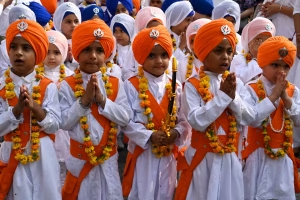
Gurpurab: Celebrating the Birth of Guru Nanak Dev

knowaboutbullying.com – Gurpurab, also known as Guru Nanak Jayanti, is a significant religious Ceremonycelebrated by Sikhs worldwide to commemorate the birth of Guru Nanak Dev, the founder of Sikhism. This auspicious occasion is marked by prayers, hymns, and community feasts.

The Significance of Guru Nanak Dev

Guru Nanak Dev, born in 1469 in the village of Talwandi (now Nankana Sahib, Pakistan), was a spiritual leader who preached a message of love, peace, and equality. He emphasized the importance of one God and rejected the caste system and rituals. His teachings laid the foundation for the Sikh religion.

The Celebrations of Gurpurab

Gurpurab is celebrated with great devotion and reverence. The celebrations typically involve the following:

  • Prayers and Hymns: Sikhs gather in Gurudwaras (Sikh temples) to offer prayers and sing hymns from the Guru Granth Sahib, the holy scripture of Sikhism.
  • Akhand Path: A continuous recitation of the Guru Granth Sahib is held for 48 hours.
  • Nagar Kirtan: A colorful procession, known as Nagar Kirtan, is organized, where Sikhs carry the Guru Granth Sahib through the streets.
  • Langar: A communal meal, known as Langar, is served to all visitors, regardless of caste, creed, or religion. This practice emphasizes the Sikh principle of equality and service to humanity.
  • Diwali Lights: Gurudwaras are illuminated with lights, symbolizing the spiritual light that Guru Nanak brought to the world.

The Spiritual Significance of Gurpurab

Gurpurab is a time for spiritual reflection and renewal. By celebrating the birth of Guru Nanak Dev, Sikhs seek to connect with the divine and embrace the teachings of the Sikh Gurus. The festival promotes values like compassion, humility, and selfless service.

Conclusion

Gurpurab is a significant religious holiday that celebrates the life and teachings of Guru Nanak Dev. It is a time for Sikhs to strengthen their faith, connect with their spiritual roots, and serve humanity. By observing the rituals and traditions associated with Gurpurab, Sikhs seek to live a life of love, peace, and harmony.

Celebrating Life and Tradition: Ecuadorian Festivals

knowaboutbullying.com – Ecuador, a country of vibrant culture and rich history, is renowned for its colorful and lively festivals that celebrate life, tradition, and the deep-rooted customs of its people. These festivals are not just celebrations; they are a testament to the resilience and joy of the Ecuadorian spirit. From the highlands to the coast, and from the Amazon to the Galapagos, Ecuador’s festivals are a kaleidoscope of music, dance, food, and community.

The Rhythm of Ecuadorian Festivals

Ecuadorian festivals are a symphony of sounds, colors, and movements. The rhythm of these celebrations is set by the beating of drums, the strumming of guitars, and the melodies of traditional Andean instruments like the panpipes and charango. These sounds are the heartbeat of Ecuador, pulsating through the streets and plazas, bringing people together in joyous celebration.

Inti Raymi: The Sun Festival

One of the most significant celebrations is the Inti Raymi, or the Sun Festival, which takes place on June 21st in the Andean region. This festival marks the winter solstice and is a tribute to the sun god Inti. It is a time when indigenous communities come together to give thanks for the sun’s warmth and light, performing traditional dances and rituals that have been passed down through generations.

Carnival in Ecuador: A Time of Fun and Frolic

Carnival in Ecuador is another vibrant festival that captures the essence of Ecuadorian joy. Held in February, it is a time when the country comes alive with parades, music, and the playful tradition of water fights and foam parties. The coastal city of Guaranda is particularly famous for its Carnival celebrations, where locals and tourists alike engage in friendly battles, throwing water and colored powder at each other.

The Culinary Delights of Ecuadorian Festivals

Food is an integral part of Ecuadorian festivals, with each region offering a variety of traditional dishes that reflect the country’s diverse culinary heritage. From the hearty soups and corn-based dishes of the highlands to the seafood delicacies of the coast, festival-goers are treated to a feast for the senses.

Traditional Dishes and Sweets

During festivals, it is common to find stalls selling traditional Ecuadorian dishes such as llapingachos (fried potato cakes with cheese), humitas (corn dumplings), and various types of empanadas. Sweets like quimbolitos (steamed corn pudding) and turrones (nougat) are also popular, offering a sweet end to a day of celebration.

The Art of Ecuadorian Festivals

Ecuadorian festivals are not only about music, dance, and food; they are also a showcase of the country’s rich artistic traditions. Handcrafted textiles, pottery, and jewelry are displayed and sold, providing a glimpse into the skilled craftsmanship of Ecuadorian artisans.

Traditional Costumes and Parades

The parades that are a central part of many Ecuadorian festivals are a visual spectacle, with participants donning traditional costumes that reflect the cultural heritage of their communities. These costumes are often brightly colored and intricately designed, making the parades a vibrant display of Ecuadorian identity.

Conclusion

Ecuadorian festivals are more than just celebrations; they are a living expression of the country’s cultural heritage and the spirit of its people. Through music, dance, food, and art, these festivals keep traditions alive, fostering a sense of community and identity. Whether it’s the solemn rituals of Inti Raymi or the playful revelry of Carnival, Ecuador’s festivals are a testament to the country’s rich cultural tapestry and its people’s zest for life.