Sunday Roast: A British Tradition and Ingredients, Instructions

knowaboutbullying.com – A Sunday roast is a traditional British meal, typically served on Sundays. It’s a hearty and comforting dish that often brings families and friends together. A classic Sunday roast typically includes a roasted meat, roast potatoes, Yorkshire pudding, and a variety of vegetables.

Ingredients for a Beef Roast:

  • For the Roast Beef:
    • 2.5-3 kg (5.5-6.6 lbs) boneless beef rib roast
    • 2 tablespoons olive oil
    • 2 teaspoons salt
    • 1 teaspoon black pepper
    • 2 cloves garlic, minced
    • 1 sprig fresh rosemary
  • For the Roast Potatoes:
    • 1 kg (2.2 lbs) potatoes, peeled and quartered
    • 2 tablespoons olive oil
    • 1 teaspoon salt
    • 1/2 teaspoon black pepper
  • For the Yorkshire Pudding:
    • 100g (3.5 oz) plain flour
    • 1 egg
    • 200ml (7 fl oz) milk
    • 1 teaspoon vegetable oil
  • For the Vegetables:
    • Various vegetables such as carrots, parsnips, broccoli, or Brussels sprouts
    • Olive oil
    • Salt
    • Pepper

Instructions:

Prepare the Roast Beef:

  1. Preheat Oven: Preheat your oven to 220°C (425°F).
  2. Season the Beef: Season the beef roast with salt, pepper, and garlic.
  3. Sear the Beef: Heat olive oil in a large skillet over high heat. Sear the beef on all sides until browned.
  4. Roast the Beef: Place the beef in a roasting pan and roast in the preheated oven for 20-25 minutes, or until browned.
  5. Reduce Heat and Baste: Reduce the oven temperature to 180°C (350°F) and baste the beef every 20 minutes with the pan juices.
  6. Rest the Beef: Remove the beef from the oven and let it rest for 10-15 minutes before carving.

Prepare the Roast Potatoes:

  1. Boil the Potatoes: Boil the potatoes in salted water until tender.
  2. Drain and Dry: Drain the potatoes and dry them thoroughly with a clean tea towel.
  3. Roast the Potatoes: Toss the potatoes with olive oil, salt, and pepper. Spread them on a baking sheet and roast in the preheated oven for 25-30 minutes, or until golden brown and crispy.

Prepare the Yorkshire Pudding:

  1. Heat the Tin: Heat vegetable oil in a Yorkshire pudding tin in a preheated oven at 220°C (425°F) for 10-15 minutes.
  2. Whisk the Batter: Whisk together the flour, egg, and milk until smooth.
  3. Pour the Batter: Carefully pour the batter into the hot tin.
  4. Bake the Pudding: Bake for 20-25 minutes, or until the pudding is risen and golden brown.

Prepare the Vegetables:

  1. Roast the Vegetables: Toss the vegetables with olive oil, salt, and pepper. Roast them in the oven with the roast potatoes for the last 15-20 minutes of cooking time.

Serve:

  1. Carve the Beef: Carve the rested beef into slices.
  2. Plate: Arrange the roast beef, roast potatoes, Yorkshire pudding, and roasted vegetables on plates.

A traditional Sunday roast is a hearty and delicious meal that can be enjoyed with family and friends.
Gifu City: A Blend of Tradition and Modernity

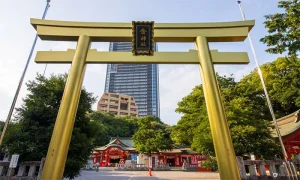
knowaboutbullying.com – Gifu City, located in central Japan, is a place where ancient traditions meet modern innovation. Nestled in the Gifu Prefecture, this vibrant city is known for its rich history, stunning natural landscapes, and unique cultural experiences. Whether you’re a history buff, nature lover, or cultural enthusiast, Gifu City offers something for everyone.

Historical Significance

Gifu City has a deep historical significance, serving as a strategic location during Japan’s Sengoku (Warring States) Period. The city’s famous Gifu Castle, perched atop Mount Kinka, was once the residence of the powerful warlord Oda Nobunaga. Visitors can hike up to the castle or take a ropeway to enjoy panoramic views of the city and the surrounding mountains.

Natural Beauty

The natural beauty of Gifu City is one of its most alluring features. The Nagara River flows through the city, providing picturesque views and opportunities for recreational activities. The river is also famous for the traditional practice of cormorant fishing, a fascinating spectacle that has been preserved for over 1,300 years. This unique form of fishing, conducted by skilled fishermen and their trained cormorants, takes place during the summer months and attracts tourists from around the world.

Cultural Experiences

Gifu City is a hub of cultural experiences. The Gifu Great Buddha, one of Japan’s largest Buddha statues, is a must-see attraction. Visitors can also explore the Gifu City Museum of History to learn more about the area’s rich past. The museum hosts a collection of artifacts and exhibits that showcase the city’s evolution over the centuries.

Modern Attractions

Despite its historical roots, Gifu City is not without modern attractions. The city boasts a variety of shopping districts, offering everything from traditional crafts to contemporary fashion. Gifu’s culinary scene is equally diverse, with local specialties such as Hida beef and ayu sweetfish delighting food enthusiasts.

Festivals and Events

Gifu City is alive with festivals and events throughout the year. The Gifu Nobunaga Festival, held every October, celebrates the legacy of the city’s most famous historical figure with parades and reenactments. Another highlight is the Tejikara Fire Festival, where participants carry large torches and set off fireworks in a thrilling display of fire and light.

Conclusion

Gifu City is a captivating destination that seamlessly blends the old with the new. Its historical landmarks, natural beauty, and vibrant culture make it a must-visit for anyone traveling to Japan. Whether you’re exploring ancient castles, enjoying the tranquility of nature, or immersing yourself in the local culture, Gifu City promises an unforgettable experience.

Culture and Traditions of the Solomon Islands

knowaboutbullying.com – The Solomon Islands, a nation of over 900 islands in the South Pacific, boast a rich and diverse cultural heritage. This archipelago, part of the Melanesian region, has a history that spans thousands of years, with its culture deeply rooted in traditional customs, practices, and social norms. This article explores the unique culture and traditions of the Solomon Islands, highlighting their significance in the modern context.

Historical Background

The Solomon Islands have been inhabited for over 30,000 years, with evidence of human settlement dating back to the Lapita culture. The islands were first discovered by Europeans in the 16th century, and later colonized by various powers, including the Spanish, Dutch, and British. The country gained independence in 1978, becoming a member of the Commonwealth.

Traditional Customs and Practices

Kastom

Kastom, a term derived from the English word “custom,” is central to the Solomon Islands’ cultural identity. It encompasses traditional customs, practices, and social norms that are highly valued and practiced across the islands. The Kastom Gaden Association plays a significant role in preserving and promoting these traditions.

Respect for Elders

Respect for elders is a fundamental aspect of Solomon Islands’ culture. Elders are revered for their wisdom and experience, and their guidance is sought in both personal and community matters. This respect is evident in daily interactions and is a cornerstone of the social fabric.

Traditional Weddings

Traditional weddings in the Solomon Islands are elaborate affairs that involve the entire community. The process begins with the father of the groom selecting a bride, followed by the exchange of gifts such as pigs or shell money. The wedding ceremony is a communal event, often involving feasts and traditional dances.

Shark Worship

The Solomon Islanders have a unique tradition of shark worship. Sharks are considered sacred and are believed to protect the islands. The annual shark calling ceremony involves offerings to the sharks, which are believed to bring good fortune and protection to the community.

Modern Cultural Practices

Sports

Sports play a significant role in the culture of the Solomon Islands. Football, rugby, and volleyball are popular, and the country has produced notable athletes who have represented the nation in international competitions.

Music and Dance

Music and dance are integral to Solomon Islands’ cultural expression. Traditional dances, such as the war dance, are performed during festivals and ceremonies. The music is often accompanied by traditional instruments like drums and bamboo flutes1.

Literature and Arts

The Solomon Islands have a growing literary and artistic scene. Notable figures include painter Ake Lianga and musician Sharzy, who have contributed significantly to the cultural landscape of the country.

Culinary Traditions

The cuisine of the Solomon Islands is a reflection of its rich natural resources. The diet is primarily based on fresh seafood, taro, yam, and tropical fruits. Traditional cooking methods include roasting over an open fire and steaming in banana leaves. The use of local ingredients ensures a unique and nutritious dining experience.

Conclusion

The culture and traditions of the Solomon Islands are a testament to the resilience and adaptability of its people. Despite the influences of modernity and globalization, the Solomon Islanders have managed to preserve their traditional customs and practices. This blend of old and new continues to shape the vibrant and diverse cultural landscape of the Solomon Islands.

Celebrating Life and Tradition: Ecuadorian Festivals

knowaboutbullying.com – Ecuador, a country of vibrant culture and rich history, is renowned for its colorful and lively festivals that celebrate life, tradition, and the deep-rooted customs of its people. These festivals are not just celebrations; they are a testament to the resilience and joy of the Ecuadorian spirit. From the highlands to the coast, and from the Amazon to the Galapagos, Ecuador’s festivals are a kaleidoscope of music, dance, food, and community.

The Rhythm of Ecuadorian Festivals

Ecuadorian festivals are a symphony of sounds, colors, and movements. The rhythm of these celebrations is set by the beating of drums, the strumming of guitars, and the melodies of traditional Andean instruments like the panpipes and charango. These sounds are the heartbeat of Ecuador, pulsating through the streets and plazas, bringing people together in joyous celebration.

Inti Raymi: The Sun Festival

One of the most significant celebrations is the Inti Raymi, or the Sun Festival, which takes place on June 21st in the Andean region. This festival marks the winter solstice and is a tribute to the sun god Inti. It is a time when indigenous communities come together to give thanks for the sun’s warmth and light, performing traditional dances and rituals that have been passed down through generations.

Carnival in Ecuador: A Time of Fun and Frolic

Carnival in Ecuador is another vibrant festival that captures the essence of Ecuadorian joy. Held in February, it is a time when the country comes alive with parades, music, and the playful tradition of water fights and foam parties. The coastal city of Guaranda is particularly famous for its Carnival celebrations, where locals and tourists alike engage in friendly battles, throwing water and colored powder at each other.

The Culinary Delights of Ecuadorian Festivals

Food is an integral part of Ecuadorian festivals, with each region offering a variety of traditional dishes that reflect the country’s diverse culinary heritage. From the hearty soups and corn-based dishes of the highlands to the seafood delicacies of the coast, festival-goers are treated to a feast for the senses.

Traditional Dishes and Sweets

During festivals, it is common to find stalls selling traditional Ecuadorian dishes such as llapingachos (fried potato cakes with cheese), humitas (corn dumplings), and various types of empanadas. Sweets like quimbolitos (steamed corn pudding) and turrones (nougat) are also popular, offering a sweet end to a day of celebration.

The Art of Ecuadorian Festivals

Ecuadorian festivals are not only about music, dance, and food; they are also a showcase of the country’s rich artistic traditions. Handcrafted textiles, pottery, and jewelry are displayed and sold, providing a glimpse into the skilled craftsmanship of Ecuadorian artisans.

Traditional Costumes and Parades

The parades that are a central part of many Ecuadorian festivals are a visual spectacle, with participants donning traditional costumes that reflect the cultural heritage of their communities. These costumes are often brightly colored and intricately designed, making the parades a vibrant display of Ecuadorian identity.

Conclusion

Ecuadorian festivals are more than just celebrations; they are a living expression of the country’s cultural heritage and the spirit of its people. Through music, dance, food, and art, these festivals keep traditions alive, fostering a sense of community and identity. Whether it’s the solemn rituals of Inti Raymi or the playful revelry of Carnival, Ecuador’s festivals are a testament to the country’s rich cultural tapestry and its people’s zest for life.

From Painting to Music: The Artistic Traditions of Honduras

knowaboutbullying.com – Honduras, a Central American country known for its rich biodiversity and historical sites, also boasts a vibrant artistic tradition that spans various forms of expression. From the vibrant colors of Lenca pottery to the rhythmic beats of Garifuna music, the artistic heritage of Honduras is a tapestry woven from the threads of its diverse cultural influences. This article delves into the multifaceted world of Honduran art, exploring the traditions that have been passed down through generations and continue to thrive today.

Visual Arts: The Legacy of Lenca Pottery

One of the most iconic forms of Honduran art is Lenca pottery, a tradition that dates back to the pre-Columbian era. The Lenca people, an indigenous group, are renowned for their intricate ceramic designs, which often feature geometric patterns and bright colors. These pieces are not only aesthetically pleasing but also carry deep cultural significance, often depicting aspects of Lenca life and mythology. The process of creating Lenca pottery is a meticulous one, involving the careful selection of clay, hand-molding, and the application of natural pigments before firing. This art form is not just a testament to the skill of the Lenca artisans but also a bridge to the past, connecting modern Honduras to its ancient roots.

The Rhythms of Garifuna Music

Garifuna music is another cornerstone of Honduran artistic tradition, characterized by its unique blend of African, Indigenous American, and European influences. Originating from the Garifuna people, descendants of shipwrecked African slaves and Indigenous Arawak and Carib peoples, this musical tradition is a reflection of their rich cultural heritage. The music is typically accompanied by drums, turtle shells, and rattles, creating a rhythmic sound that is both haunting and uplifting. Garifuna music is more than just entertainment; it is a means of storytelling, passing down history, and celebrating life. The UNESCO recognition of Garifuna music as an Intangible Cultural Heritage of Humanity in 2008 underscores its importance and the efforts to preserve this vibrant tradition.

Contemporary Honduran Art: A Fusion of Tradition and Innovation

While traditional forms of art continue to hold a special place in Honduran culture, contemporary artists are pushing the boundaries of expression, incorporating traditional elements into new mediums. Painters, sculptors, and digital artists are drawing inspiration from their country’s rich history, landscapes, and social issues, creating works that resonate both locally and internationally. This fusion of tradition and innovation ensures that Honduran art remains dynamic and relevant, bridging the gap between the past and the future.

Conclusion: The Enduring Spirit of Honduran Art

The artistic traditions of Honduras are a testament to the enduring spirit of its people. From the ancient craft of Lenca pottery to the contemporary expressions of its artists, the country’s cultural tapestry is rich and diverse. These traditions not only preserve the heritage of Honduras but also serve as a source of pride and inspiration for future generations. As the world continues to evolve, the art of Honduras remains a beacon of creativity and cultural identity, inviting the world to appreciate the beauty and depth of its artistic expressions.